
Uncategorized
My Easy Tahini Sauce for Bowls and Roasted Vegetables

I keep tahini sauce in my fridge because it turns a plain bowl into dinner with almost no effort. It works on grain bowls, buddha bowls, roasted potatoes, and sheet-pan vegetables, so I reach for it all the time.
The version I make is creamy, lemony, and easy to fix if it gets too thick. If you’ve ever whisked tahini into a paste that seemed impossible, this method keeps things calm and simple.
Why I Keep Tahini Sauce on Hand
I like sauces that pull a meal together without asking for much. Tahini does that better than most pantry staples I use. It has a rich, nutty flavor, and it gives vegetables the kind of finish that makes them taste complete.
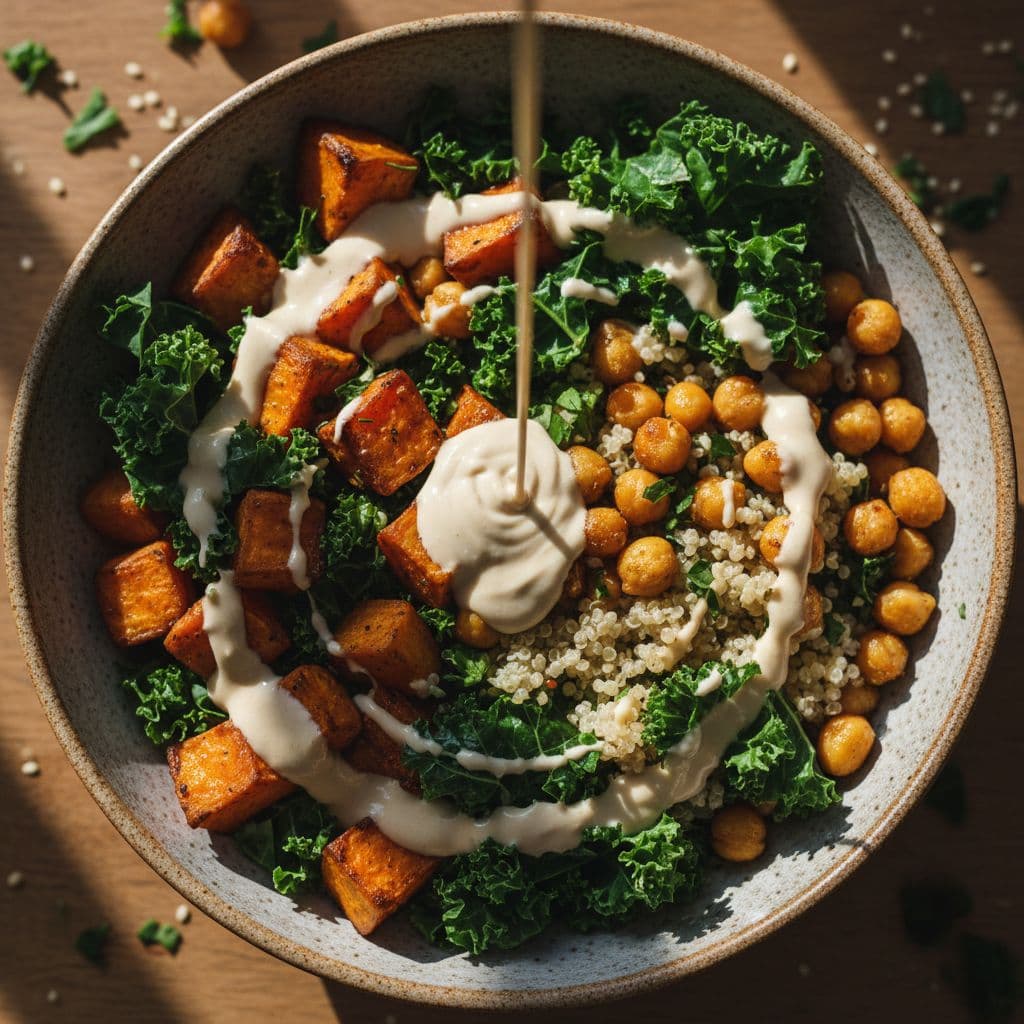
One spoonful can soften roasted cauliflower, brighten a bowl of chickpeas, or make leftover rice feel new again. I also love that it plays well with simple food. A little sauce can make carrots, potatoes, or broccoli feel like the center of the plate.
Tahini sauce is at its best when it tastes bold but still feels smooth. I want lemon, garlic, and salt to show up, but I never want one flavor to take over.
That balance is why I keep coming back to it. I can make a batch in a few minutes, then use it in different ways all week.
My Simple Method for a Smooth, Creamy Sauce
I keep the method easy because tahini sauce does not need a long ingredient list. The key is to mix it in the right order and add water slowly.
What I put in the bowl
- 1/2 cup tahini
- 2 to 3 tablespoons fresh lemon juice
- 1 small garlic clove, finely grated or minced
- 1/4 teaspoon salt
- 1/4 to 1/2 cup water, added a little at a time
That’s enough for a small batch, and it scales up well. I usually start with less lemon if I want a softer sauce, then add more at the end.
How I make it
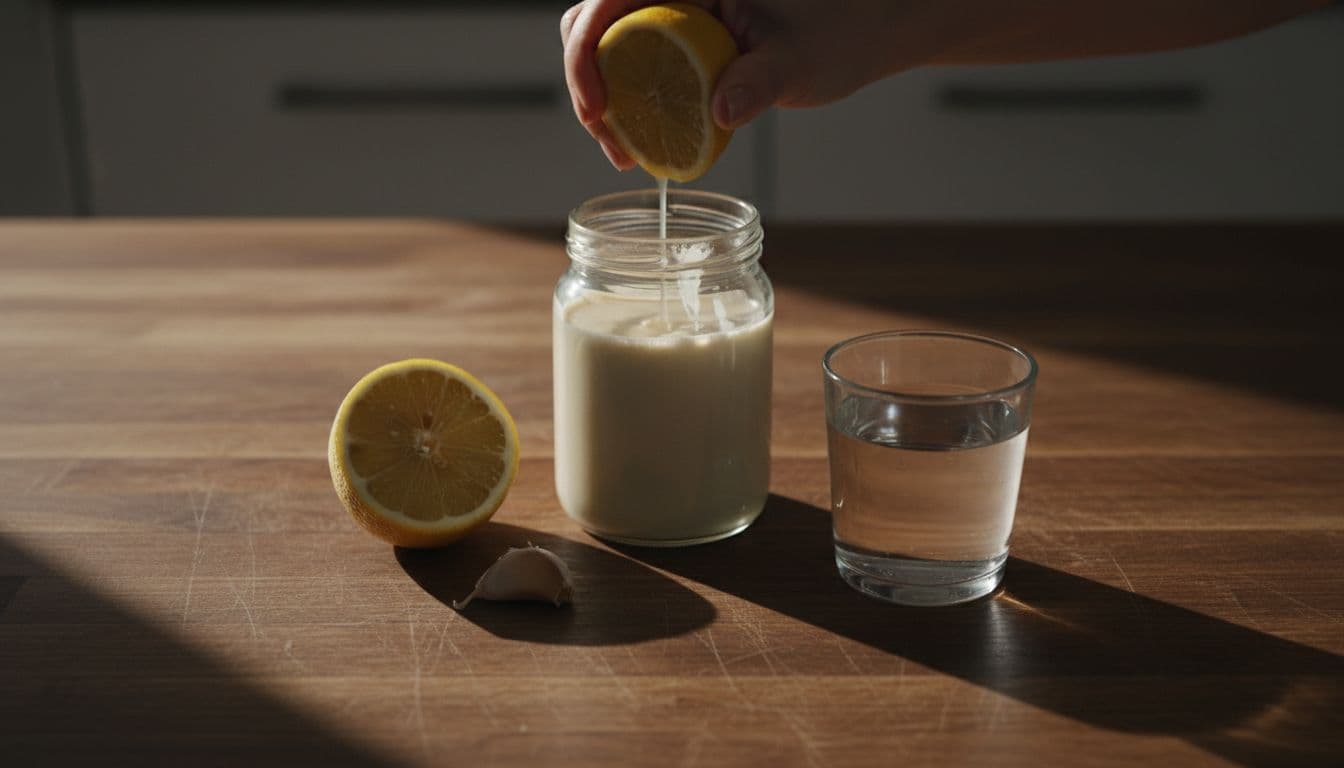
- I whisk the tahini, lemon juice, garlic, and salt in a bowl.
- The mixture often thickens at first, which is normal.
- I add water one tablespoon at a time and keep whisking.
- Once it turns smooth and pourable, I taste it.
- I adjust the lemon, garlic, or salt before serving.
The first few seconds can look messy. After that, the sauce usually relaxes and turns silky. A small whisk works fine, but a fork also gets the job done if that’s what I have nearby.
I like to use room-temperature water or slightly warm water. It blends in fast and helps the sauce turn creamy without much effort. If I want a thinner drizzle, I add more water. If I want a thicker sauce for bowls, I stop a little earlier.
How I Balance Lemon, Garlic, Salt, and Water
Once the base is mixed, I treat the rest like a quick tune-up. The sauce changes a lot with tiny adjustments, so I always taste it before serving.
Here’s the balance I look for when I make tahini sauce for bowls and roasted vegetables.
| Taste issue | What I add | What happens |
|---|---|---|
| Too thick | More water, 1 teaspoon at a time | The sauce loosens without losing creaminess |
| Too tangy | More tahini, then a pinch of salt | The lemon feels softer |
| Too garlicky | More tahini or a splash of water | The sharp bite calms down |
| Too flat | More lemon juice or salt | The flavor wakes up |
| Too bitter | A little more lemon and salt | The sauce tastes brighter |
That table covers most of the fixes I need. If the sauce still feels off, I wait a minute and taste again. Tahini can mellow a bit as it sits, and a short rest often helps.
I also keep in mind that tahini brands taste different. Some are smooth and mellow. Others are more bitter and earthy. If I buy a jar with a stronger flavor, I use a little extra lemon and salt to balance it.
The Best Ways I Serve It
This is the part I love most, because tahini sauce fits into so many meals. I use it when I want dinner to feel fresh without making a separate dressing or dip.
For grain bowls, I drizzle it over quinoa, brown rice, farro, or couscous. It works especially well with roasted sweet potatoes, chickpeas, greens, and cucumber. If I want extra texture, I add sesame seeds or chopped herbs.
For buddha bowls, I go a little bigger with the sauce. The creaminess ties together crunchy and soft ingredients, so I can build the bowl around whatever I already have. Kale, shredded carrots, avocado, beets, and lentils all work nicely.
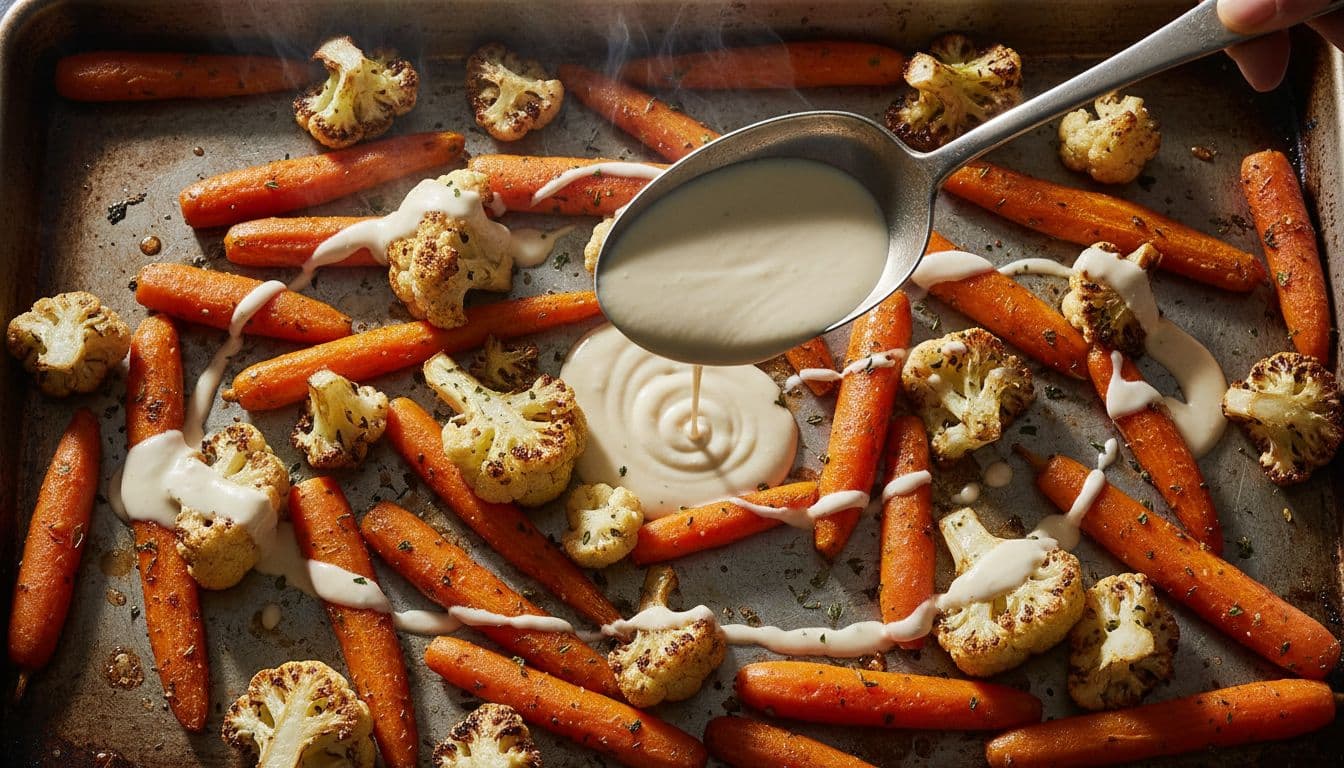
For sheet-pan vegetables, I usually roast broccoli, cauliflower, carrots, onions, or Brussels sprouts until browned at the edges. Then I spoon the sauce over the top right before serving. The contrast between hot vegetables and cool sauce is one of my favorite simple dinners.
Roasted potatoes are another easy match. I like to pile the potatoes on a plate, add a handful of herbs, then finish with tahini sauce. Cauliflower works the same way, especially when it gets deeply golden in the oven.
I also use it as a dip. Raw vegetables, warm pita, and even leftover roasted veggies taste better with a small bowl of this sauce on the side.
When the Sauce Needs a Small Fix
Tahini sauce is forgiving, but it still needs a little attention now and then. When something feels off, I keep the fix simple.
- If it’s too thick, I whisk in water a teaspoon at a time.
- If it tastes too sharp, I add a little more tahini before I reach for more lemon.
- If it feels bland, I add salt first, then a touch more lemon.
- If it’s grainy, I whisk longer and add water slowly.
- If it’s too thin, I stir in more tahini until it thickens.
I never pour in a lot of water at once. Slow whisking gives me a sauce that stays creamy instead of turning flat.
I also find that a short rest helps. After a few minutes, the flavors settle and the texture smooths out a little more.
Conclusion
I keep this tahini sauce recipe close because it makes everyday food feel more finished. It takes a few basic ingredients, a quick whisk, and a few taste checks.
Once you get the balance of lemon, garlic, salt, and water where you like it, the rest becomes easy. Then you can pour it over bowls, roasted vegetables, or potatoes and let it do the work for you.