
Uncategorized
My Easy Balsamic Glaze Recipe for Chicken and Vegetables

Some weeknight dinners need more flavor, not more work. My balsamic glaze recipe gives plain chicken and roasted vegetables a rich, glossy finish with almost no effort.
I like it because the ingredient list stays short and the payoff is big. If I already have balsamic vinegar in the pantry, I’m halfway done before I even turn on the stove.
Why I Keep This Balsamic Glaze Recipe on Repeat
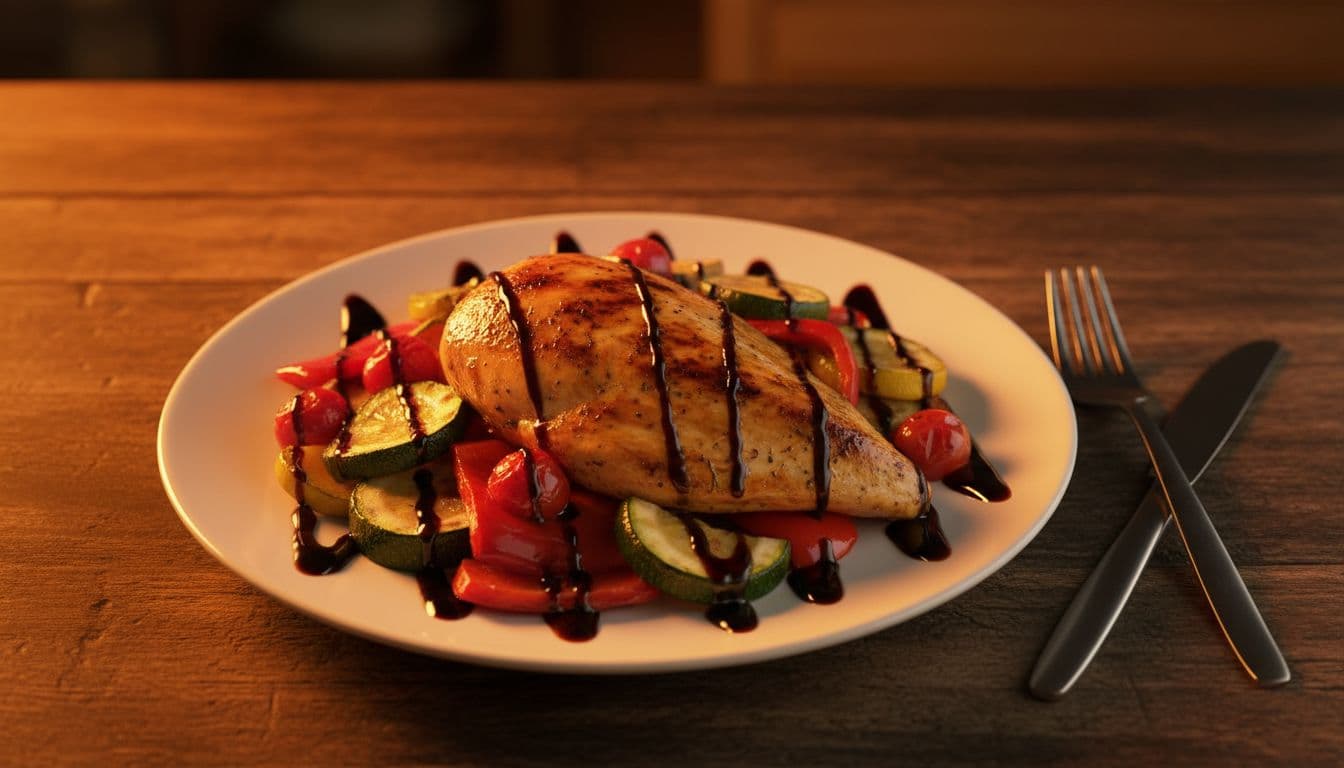
I reach for this glaze when dinner needs a final touch. It adds brightness to chicken, but it also gives vegetables a deep, sweet-tart finish that feels more complete.
The texture matters as much as the flavor. When it’s done right, the glaze clings to food like a thin syrup, not a heavy sauce. That means I can drizzle it over sliced chicken, roasted carrots, or a tray of Brussels sprouts without drowning the plate.
I also like how flexible it is. Some nights I want it sharper, so I keep it simple. Other nights I add a little honey and let the sweetness soften the edges.
A pantry-first method keeps it practical too. If you want another simple version to compare notes with, I like the plain approach in this simple balsamic glaze recipe.
What I Put in the Pan
I keep the ingredient list short because balsamic does most of the work on its own. A good reduction needs time, not a long shopping list.
| Ingredient | Amount | Why I use it |
|---|---|---|
| Balsamic vinegar | 1 cup | This is the base, and it reduces into the glaze |
| Honey or maple syrup | 1 to 2 teaspoons, optional | It softens the sharp edge |
| Fine salt | Tiny pinch, optional | It rounds out the flavor |
| Fresh herbs, for serving | A few leaves | They add a fresh finish at the table |
I usually skip sweetener unless the vinegar tastes extra sharp. If I do add it, honey gives a brighter finish, while maple syrup adds a softer, deeper note. Both work well with chicken and roasted vegetables.
I don’t thicken it with cornstarch. The vinegar reduces on its own, so the texture stays clean and glossy. I also don’t chase the most expensive bottle. A decent everyday balsamic works well as long as it tastes balanced before I cook it down.
A good balsamic glaze should taste balanced before it tastes sweet.
How I Simmer It to the Right Texture
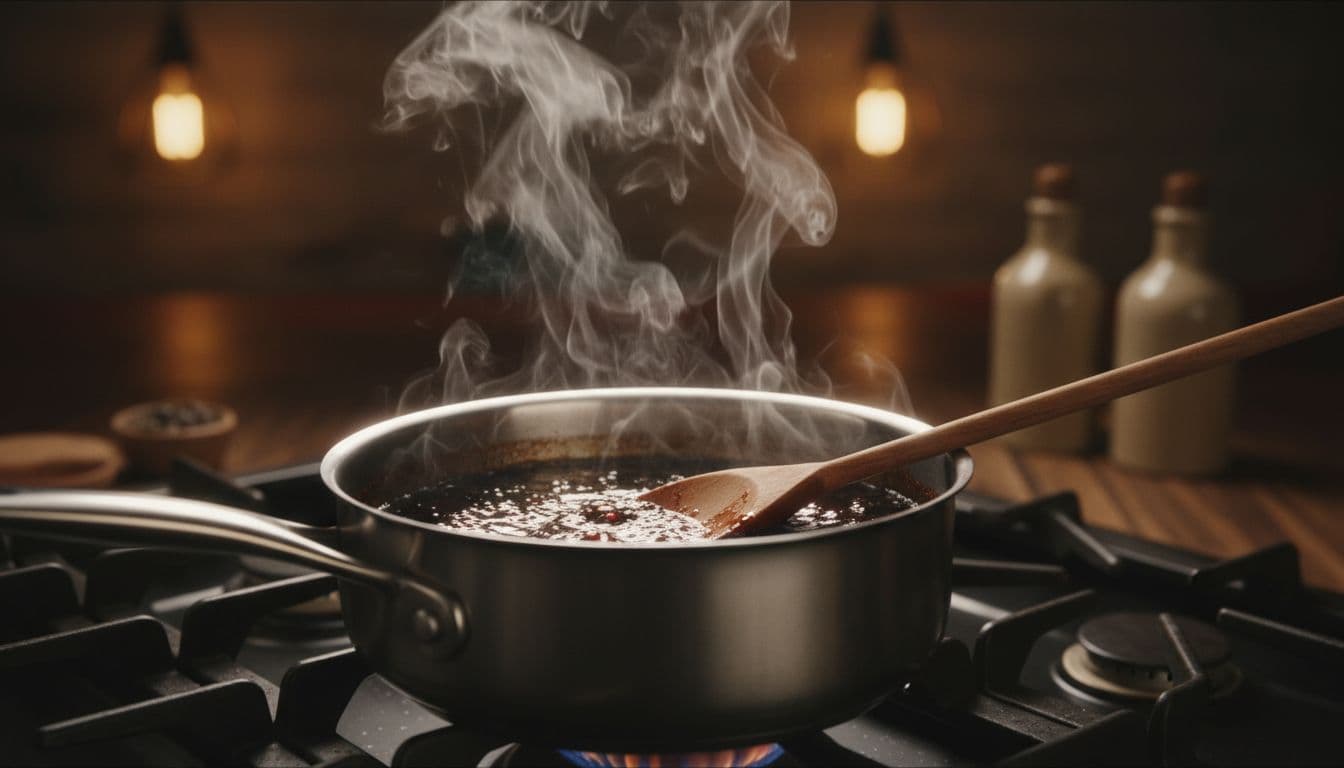
I make the glaze in a small saucepan, and I keep the heat steady. The whole process takes about 10 to 15 minutes for me, depending on the pan and the stove.
- I pour 1 cup of balsamic vinegar into a small saucepan.
- If I want a softer glaze, I stir in 1 to 2 teaspoons of honey or maple syrup.
- I bring it to a gentle boil over medium heat, then lower it to a steady simmer.
- I stir now and then, because the glaze can cling to the sides of the pan.
- I cook it until the bubbles look smaller and the liquid starts to coat the back of a spoon.
- I take it off the heat before it looks fully thick, then I let it cool.
That last part matters. The glaze thickens as it cools, so I pull it a little early instead of waiting too long. If I reduce it all the way in the pan, it often ends up too sticky once it sits on the plate.
A wider saucepan cooks faster than a deep one, so I keep an eye on it. If the edges darken fast or the smell turns sharp, the heat is too high. For another reliable reduction reference, the timing notes in The New York Times balsamic glaze match the way I like to cook mine.
The Best Ways I Serve It with Chicken and Vegetables
On chicken
I usually brush the glaze on during the last minute or two of grilling, or I drizzle it over roasted chicken after it rests. That keeps the glaze shiny and helps it stay on the surface instead of burning in the oven.
Chicken thighs take this especially well because they stay juicy. Still, I use it on breasts, cutlets, and even sliced leftover chicken. A spoonful over warm chicken is enough to make a simple dinner feel finished.
I like it best with plain seasonings. Salt, pepper, garlic, and herbs give the glaze room to stand out. If the chicken already has a sugary marinade, I use less glaze so the flavor stays balanced.
On vegetables
Roasted vegetables love this glaze just as much as chicken does. I drizzle it over Brussels sprouts, carrots, broccoli, sweet potatoes, mushrooms, zucchini, or asparagus after they come out of the oven.
That timing matters. If I add the glaze before roasting, the sugars can darken too fast. If I wait until the vegetables are done, the glaze stays glossy and fresh. That is the version I use most often on sheet-pan dinners.
I also like it on a bowl meal. Roasted vegetables, sliced chicken, and a little rice or quinoa all work well together. A small drizzle at the end brings the whole plate together without making it heavy.
Mistakes I Avoid Every Time
- I avoid boiling it hard, because strong heat can make the glaze taste bitter.
- I don’t walk away from the pan. It can go from perfect to sticky fast.
- I let it cool before deciding if it’s thick enough.
- I keep the sweetener light, so the vinegar still tastes like balsamic.
If the glaze gets too thick, I warm it gently and stir in a teaspoon of warm water. If it seems too thin after cooling, I return it to the stove for a minute or two. That small adjustment usually fixes it.
I store leftovers in a small jar in the fridge for up to a month. When I need it again, I warm the jar in a bowl of hot water or whisk in a little water on the stove. It comes back to a spoonable texture quickly, which makes it easy to use on a busy night.
Conclusion
This glaze is one of my favorite little kitchen tricks because it does so much with so little. One small saucepan, one short simmer, and I have a sauce that works on both chicken and vegetables.
The key is to stop before it looks finished. It should be loose in the pan and glossy on the plate. Once I got used to that timing, this became one of the easiest ways I know to make dinner feel special.