
Uncategorized
My Easy Lemon Butter Sauce for Fish and Pasta

A good lemon butter sauce can save dinner fast. I make it when I want something bright, rich, and polished without a long ingredient list.
It works beautifully with fish, and it clings to pasta in the best way. If you like the feel of a classic beurre blanc but want something easier at home, I like the approachable version in this lemon butter sauce recipe for pasta and fish.
I keep coming back to this sauce because it tastes like I spent more time on dinner than I did. Here’s how I make it in my own kitchen.
Why I Keep This Lemon Butter Sauce on Repeat
This sauce hits a sweet spot. The butter makes it silky, while the lemon keeps it lively. Garlic adds a little depth, and parsley gives it a fresh finish.
That balance is why I use it on flaky white fish, salmon, and simple pasta. It feels special, but it never asks for much from me. I don’t need cream, flour, or a long simmer.
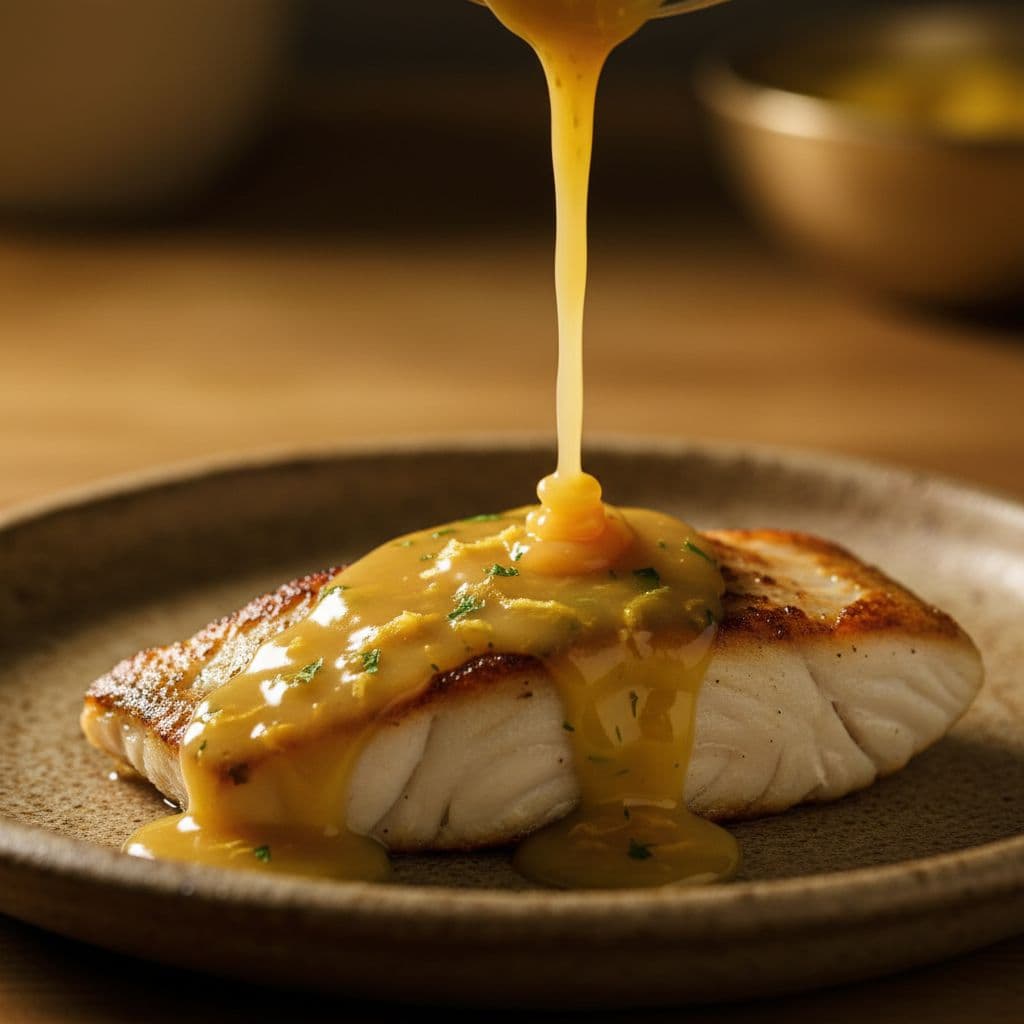
I also like that it works with delicate seafood. Feasting at Home’s lemon butter sauce leans into that same idea, and I reach for this style when I want the fish to stay the star.
The sauce is flexible, too. If I make extra, I can spoon it over vegetables or toss it with noodles. That makes it one of those recipes I trust on busy nights.
What I Put in the Pan
I keep the ingredient list short on purpose. The sauce tastes clean and bright that way.
Here’s my usual lineup:
| Ingredient | Amount | Why I use it | Easy swap |
|---|---|---|---|
| Unsalted butter | 6 tablespoons | Gives the sauce its rich, silky base | Use salted butter and reduce added salt |
| Garlic, minced | 2 cloves | Adds savory depth | Swap in 1 small minced shallot |
| Fresh lemon juice | 2 to 3 tablespoons | Brings the bright flavor | Add a little more to taste |
| Lemon zest | 1 teaspoon | Makes the lemon flavor pop | Skip if your lemon is weak |
| Dry white wine or low-sodium broth | 1/4 cup | Helps the sauce loosen and reduce | Use water in a pinch |
| Salt and black pepper | To taste | Balances the sauce | Use white pepper if you like |
| Chopped parsley | 1 tablespoon | Finishes the sauce with freshness | Dill works well for fish |
| Pasta water, optional | 2 to 4 tablespoons | Helps the sauce cling to noodles | Use hot water if needed |
I like this list because every item has a job. Nothing feels extra, and that keeps the sauce fast.
Fresh lemon juice matters here. Bottled juice can taste flat, and this sauce depends on that clean citrus edge.
If I’m serving fish, I keep the lemon flavor a little brighter. If I’m serving pasta, I make sure I have some starchy water ready.
How I Make It in One Pan
I use a small skillet or saucepan and keep the heat low. That matters more than anything else.
- I melt 4 tablespoons of the butter over low heat.
- Then I add the garlic and cook it for 30 to 45 seconds, just until fragrant.
- Next, I pour in the wine or broth, lemon juice, lemon zest, salt, and pepper.
- I let that simmer gently for 2 to 3 minutes, so it reduces a little.
- I take the pan off the heat and whisk in the remaining 2 tablespoons of butter, one piece at a time.
- After that, I stir in the parsley and taste the sauce.
- For fish, I spoon it on right away. For pasta, I toss the noodles in the pan with a splash of pasta water.
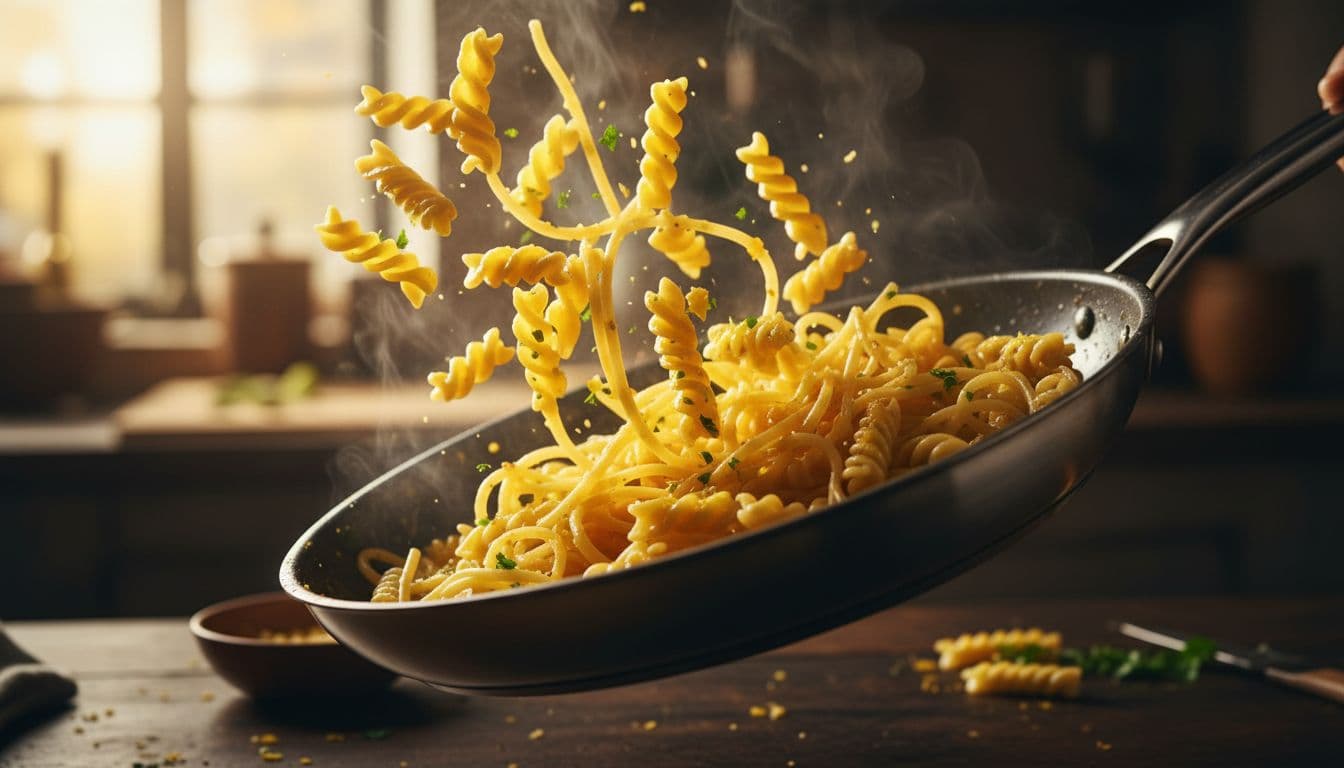
The texture I want is glossy and loose, like warm satin. It should coat the back of a spoon, but still flow.
If I’m making pasta, I don’t pour the sauce over dry noodles. I let the pasta finish in the pan for a minute or two. That gives the noodles a better coating and helps the sauce settle into every bite.
The Best Ways I Serve It
For fish, I like this sauce with simple cooking methods. Pan-seared, baked, or broiled fish all work well. Delicate fillets do especially well because the sauce adds flavor without taking over.
For pasta, I keep the shapes simple. Long noodles hold the sauce well, and short pasta traps little pockets of it. A reference I like is this easy lemon butter sauce for seafood and pasta, because it shows how useful this style is for quick weeknight meals.
Here are the pairings I reach for most:
- White fish: cod, halibut, sole, or trout with a side of asparagus.
- Salmon: baked or pan-seared salmon with dill and steamed green beans.
- Pasta: linguine, spaghetti, angel hair, or fettuccine with black pepper.
- Vegetables: peas, broccolini, or sautéed zucchini when I want a lighter plate.
- Extras: capers, a pinch of red pepper flakes, or a little extra parsley.
I like to keep the plate simple. A crisp salad or warm bread is usually enough. The sauce already brings plenty of flavor.
Fixes for Broken or Thin Sauce
Butter sauces can be forgiving if I catch the problem early. Usually, the fix is simple.
| Problem | What usually happened | My fix |
|---|---|---|
| Sauce looks oily or split | The heat was too high | Take it off the heat and whisk in a small piece of cold butter |
| Sauce feels too thin | It did not reduce long enough | Simmer a minute longer, then whisk again off heat |
| Sauce tastes too sharp | Too much lemon went in | Add a little more butter or a splash of hot pasta water |
| Sauce tastes too salty | Salted butter or too much reduction | Add more butter or a spoonful of broth |
The biggest lesson is to respect the heat. Butter sauce hates a hard boil.
If the sauce starts to look broken, I stop cooking first and start whisking second.
That small pause usually helps more than anything else. I also keep a splash of broth or pasta water nearby, because a little liquid can bring the sauce back together.
Storage and Reheating
I keep leftover sauce in a sealed container in the fridge and use it soon. Butter sauces taste best fresh, so I don’t let them sit around for long.
To reheat it, I use low heat and a small saucepan. I add a splash of water, broth, or pasta water, then whisk gently until it loosens again. I never rush it with high heat, because that makes splitting more likely.
If the sauce has thickened in the fridge, that’s normal. It usually smooths out once I warm it slowly. For the best result, I make only what I need, then save a little extra if I know I’ll be serving pasta.
Conclusion
This is the sauce I make when I want dinner to feel brighter without adding work. It gives fish a glossy finish, and it turns pasta into something that tastes thoughtful.
The best part is how little it asks for. A few simple ingredients, low heat, and a quick whisk are enough to get there.
Once I learned how to keep the sauce smooth and balanced, I stopped treating it like a special-occasion recipe. Now it’s one of my easiest ways to make a plain meal feel finished.