
Uncategorized
My Easy Teriyaki Sauce for Chicken and Rice Bowls

Dinner feels a lot easier when I have one sauce that does most of the work. This easy teriyaki sauce is the one I make when I want chicken and rice to taste warm, glossy, and full of flavor without a long prep list.
It comes together fast, uses pantry basics, and turns plain chicken into something that feels a little special. If you want a weeknight recipe that tastes rich but stays simple, this is the one I keep coming back to.
Why this easy teriyaki sauce works on busy nights
I like this sauce because it hits all the right notes at once. It’s salty, a little sweet, lightly tangy, and full of ginger and garlic. When it cooks for a few minutes, it turns shiny and thick enough to cling to chicken and rice instead of sliding to the bottom of the bowl.
That texture matters more than people think. A good teriyaki sauce should coat the back of a spoon. It should look smooth and smell savory with a hint of sweetness. When I pour it over sliced chicken, every bite gets flavor.
I also love how flexible it is. I use it with chicken thighs, chicken breasts, leftover rotisserie chicken, or even pan-seared tofu. Then I spoon it over hot rice and add whatever vegetables I have. Broccoli, cucumbers, carrots, or green beans all work well.
Another reason I make this so often is speed. The sauce itself takes about 10 minutes. While it simmers, I can cook rice or warm up leftover rice in the microwave. If the chicken is already cooked, dinner is close.
I keep the flavor balanced by using low-sodium soy sauce and tasting before I add more salt.
Once I started making my own teriyaki sauce, I stopped buying bottled versions as often. Many store-bought sauces taste too sweet or too sharp to me. This one stays balanced, and I can adjust it as I go.
The ingredients that give it balance
My version uses common ingredients, and each one has a clear job. Soy sauce brings the salty base. Brown sugar adds sweetness and helps create that deep caramel color. Mirin gives a gentle sweetness and a little shine. Rice vinegar keeps the sauce from tasting flat, while ginger and garlic give it that fresh, savory kick.
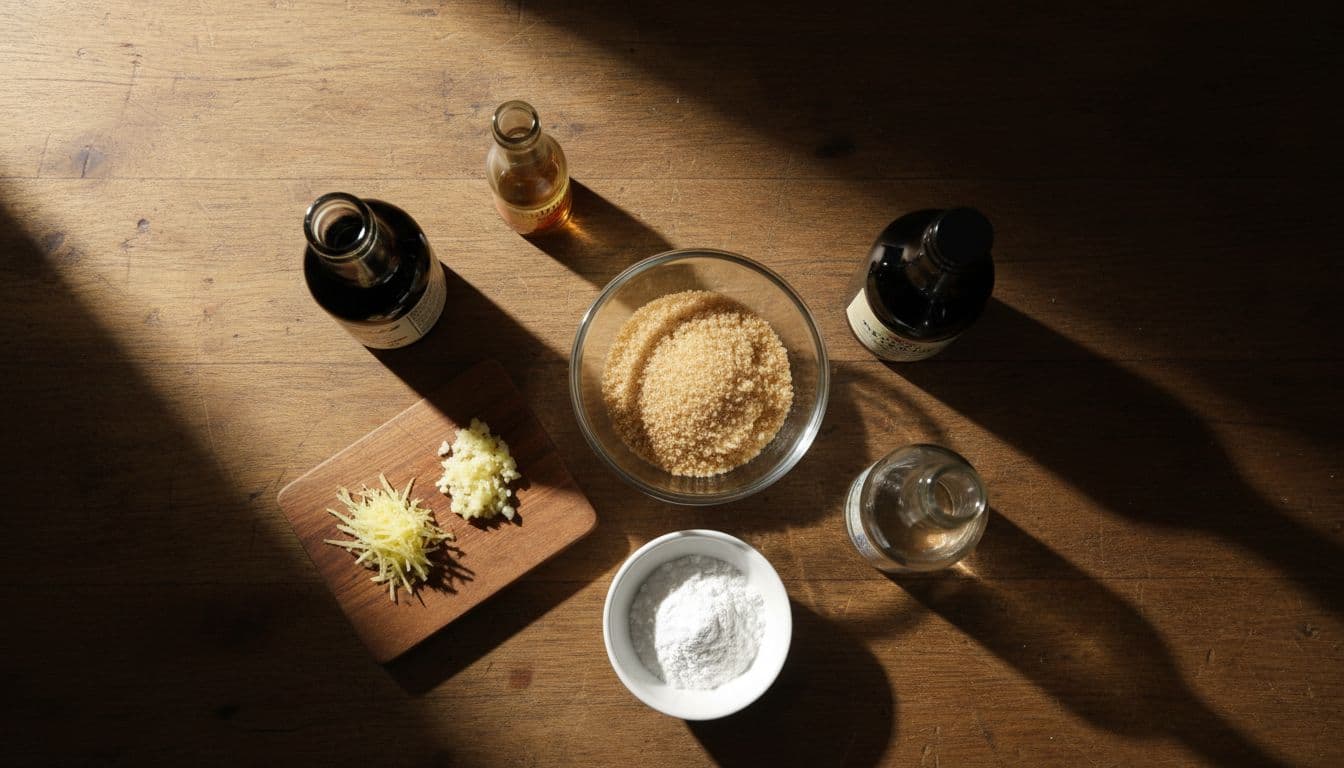
Here is what I use for one batch, which is enough for about 4 chicken and rice bowls:
- 1/2 cup low-sodium soy sauce
- 1/4 cup water
- 3 tablespoons brown sugar
- 2 tablespoons mirin
- 1 tablespoon rice vinegar
- 2 teaspoons fresh grated ginger
- 2 cloves garlic, minced
- 1 teaspoon sesame oil
- 2 teaspoons cornstarch
- 1 tablespoon cold water, for the cornstarch slurry
I always recommend low-sodium soy sauce first. It gives me more control, especially once the sauce reduces. Fresh ginger is better than powdered here because it gives the sauce a brighter taste. Fresh garlic does the same.
When I’m short on one item, these swaps still give me a good result:
| If I’m out of | I use | What changes |
|---|---|---|
| Mirin | 1 tablespoon honey plus 1 tablespoon water | The sauce tastes a little rounder and less sharp |
| Brown sugar | Honey | The sauce is a bit lighter and looser |
| Rice vinegar | Apple cider vinegar | The flavor is a touch fruitier |
| Fresh ginger | 1/2 teaspoon ground ginger | The sauce loses some freshness |
These swaps help, but the original mix gives me the best balance. I don’t skip the cornstarch either. Without it, the sauce can taste good but stay too thin for a bowl.
How I make it in about 10 minutes
The method is simple, and the order helps. I start by adding soy sauce, water, brown sugar, mirin, rice vinegar, ginger, garlic, and sesame oil to a small saucepan. Then I set it over medium heat and stir until the sugar dissolves.
As the sauce warms, the smell changes fast. First I notice the soy sauce. Then the garlic and ginger bloom, and the whole kitchen starts to smell like dinner is on the way. Once the sauce begins to bubble, I lower the heat slightly so it simmers instead of boiling too hard.
In a small bowl, I stir the cornstarch with cold water until smooth. That step matters because dry cornstarch can clump the second it hits hot liquid. After the sauce simmers for 2 to 3 minutes, I pour in the slurry and stir right away.
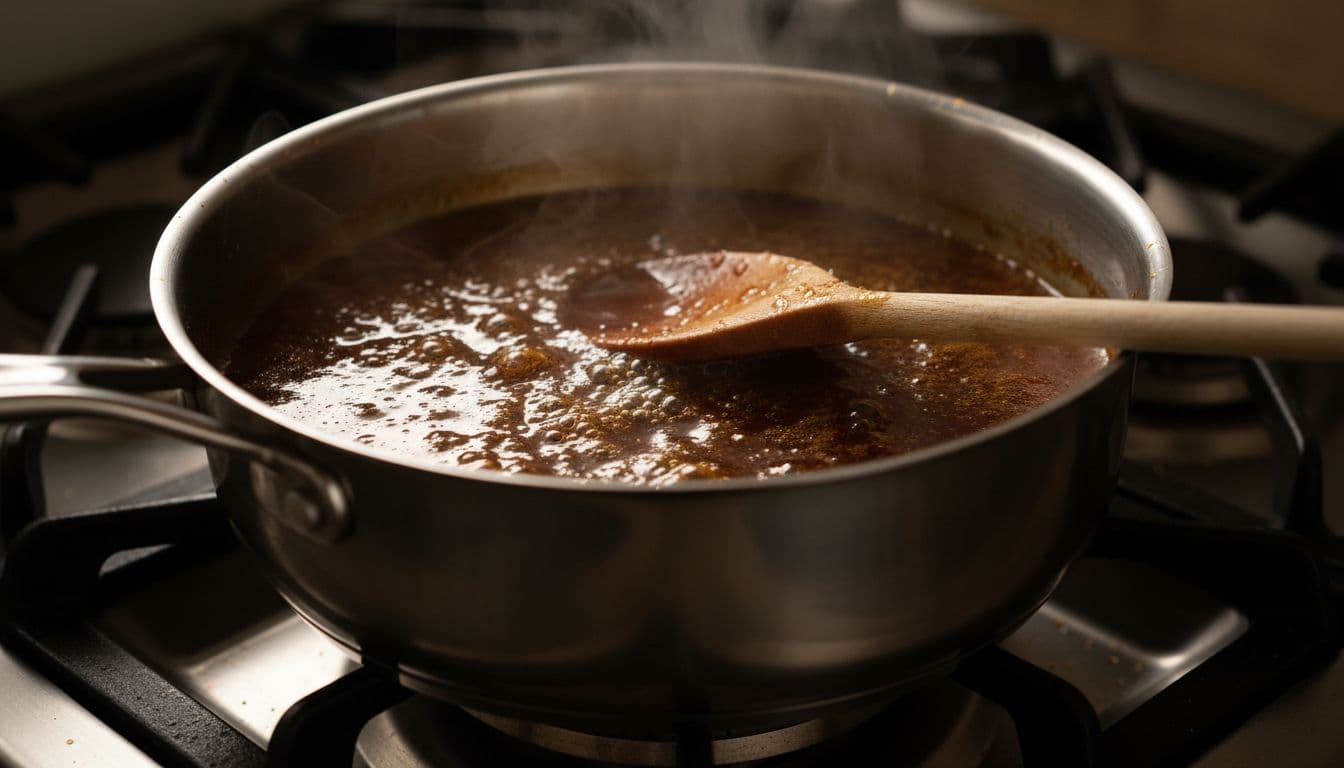
The sauce thickens quickly, often in under a minute. I look for a glossy finish and a texture that lightly drapes over the spoon. If I drag the spoon across the pan, the line should hold for a second before the sauce flows back together.
I use this quick order every time:
- Add the main sauce ingredients to a saucepan and stir over medium heat.
- Simmer for 2 to 3 minutes so the garlic and ginger soften.
- Mix cornstarch with cold water in a separate bowl.
- Stir the slurry into the pan and cook 30 to 60 seconds, until glossy.
If the sauce seems thin, wait a moment. It usually thickens more as it boils and cools.
For chicken, I usually cook boneless skinless thighs in a skillet with a little oil. They stay juicy and pick up the sauce well. Chicken breast works too, but I watch it closely so it doesn’t dry out. I like to cook the chicken first, slice it, and coat it with sauce at the end. That keeps the glaze shiny instead of sticky and overcooked.
If I make the sauce ahead, I let it cool and keep it in the fridge. I use it within a week, then warm it gently before serving.
How I build chicken and rice bowls with it
A good chicken teriyaki rice bowl doesn’t need much. I start with hot rice, add cooked chicken, then spoon over enough sauce to coat everything without drowning it. That balance gives me a bowl that tastes rich but still clean.
White rice is my usual choice because it soaks up the sauce so well. Jasmine rice is soft and fragrant, while short-grain rice gives the bowl more of that takeout feel. Brown rice works when I want a nuttier taste and a little more chew. If I have leftover rice, I fluff it with a splash of water before reheating so it stays tender.
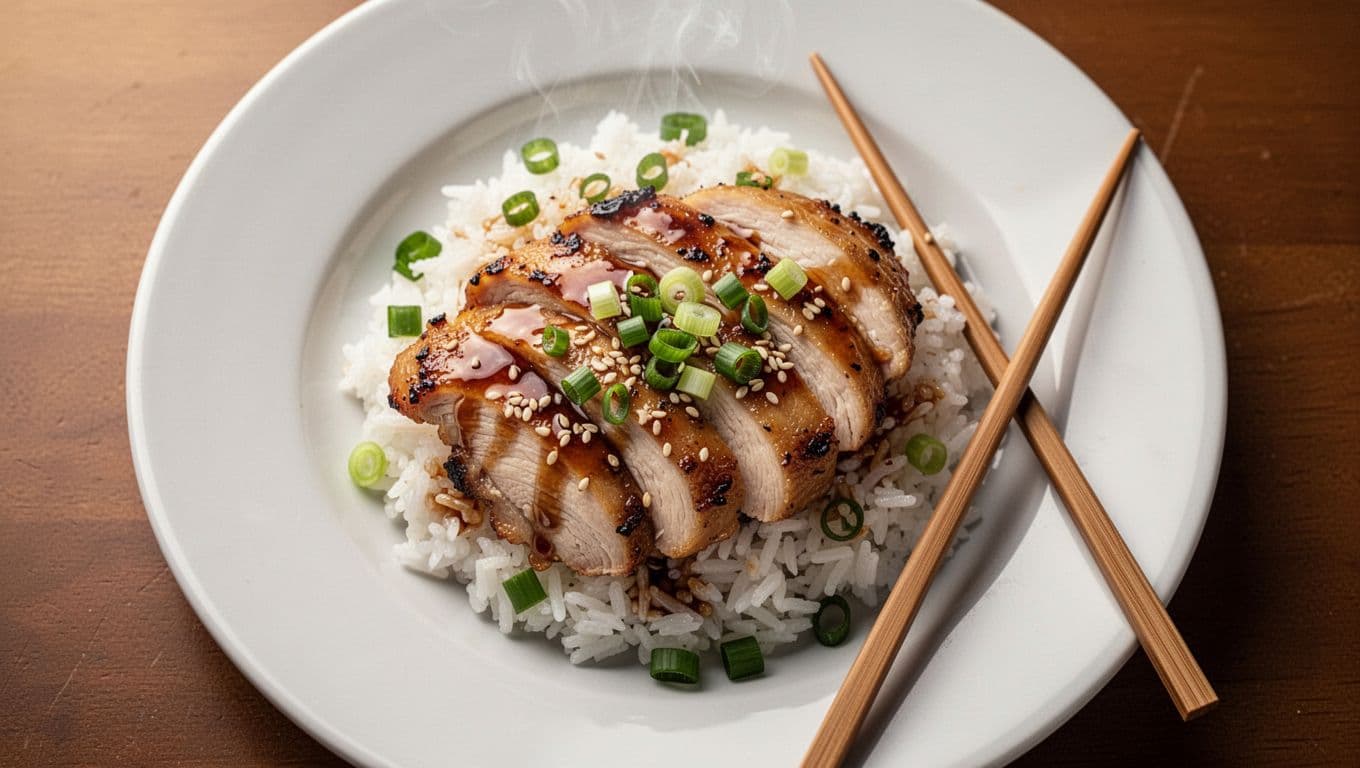
For toppings, I keep it simple. Sesame seeds add a light crunch. Sliced green onions bring freshness. Steamed broccoli or snap peas turn it into a fuller meal without extra work. If I want a cool contrast, I add cucumber slices or shredded carrots on the side.
When I want to stretch the meal, I turn it into a bowl bar. I set out rice, chicken, sauce, and a few vegetables, then let everyone build their own plate. It feels relaxed, and it uses whatever is in the fridge.
My favorite weeknight combo is simple: pan-cooked chicken thighs, white rice, steamed broccoli, green onions, and a spoonful of extra sauce on top. The chicken stays savory, the rice catches every drop, and the vegetables keep the bowl from feeling too heavy.
How I fix teriyaki sauce that is too thick, thin, or salty
Even an easy teriyaki sauce can need a quick fix, and most problems are simple.
If the sauce gets too thick, I add warm water, one teaspoon at a time. Then I stir and watch the texture before adding more. A small splash usually does it.
If it stays too thin, the sauce may not have simmered long enough after the slurry went in. I keep it over medium heat and stir for another 30 seconds. If it still looks loose, I mix another teaspoon of cornstarch with two teaspoons of cold water and add only a little. Too much can make the sauce gummy.
Saltiness is another common issue. This usually happens when regular soy sauce is used or the sauce reduces too much. I fix that by adding water first, then a touch of brown sugar or mirin if needed. I don’t add more soy sauce once the pan is reducing.
If the flavor tastes too sweet, I add a small splash of rice vinegar. That wakes everything up. When it tastes flat, a bit more grated ginger often helps more than extra salt.
Clumps usually mean the cornstarch wasn’t mixed well. Burnt spots mean the heat was too high. In both cases, a lower simmer solves most of the trouble next time. Once you make the sauce once or twice, the timing becomes second nature.
A simple sauce I make on repeat
This is one of those recipes that earns a regular spot in my kitchen because it tastes great and asks very little from me. The sauce comes together fast, works with basic ingredients, and turns chicken and rice into a dinner that feels warm, glossy, and complete.
When I want a meal that is easy but still full of flavor, this is the sauce I make. A pan of chicken, a scoop of rice, and a spoonful of teriyaki sauce can carry the whole night.