
Uncategorized
My Easy Garlic Parmesan Sauce for Wings and Pasta

Some sauces ask for too much and still come out flat. My garlic parmesan sauce takes about 15 minutes, and it tastes rich enough for both a platter of wings and a bowl of pasta.
I make it when I want something creamy, garlicky, and reliable. It doesn’t need flour, fancy tools, or a long simmer. If you’ve ever had a cheese sauce turn grainy, a few small choices will keep this one smooth.
The ingredients I use for a creamy garlic parmesan sauce
I keep this sauce simple because the flavor comes from a few strong basics. Fresh garlic gives it that warm bite, butter rounds it out, and heavy cream keeps the texture lush instead of thin. Parmesan brings the salty, nutty finish that makes the whole pan smell amazing.
This batch makes about 1 1/2 cups. For me, that’s enough for about 2 pounds of wings or 12 ounces of pasta.
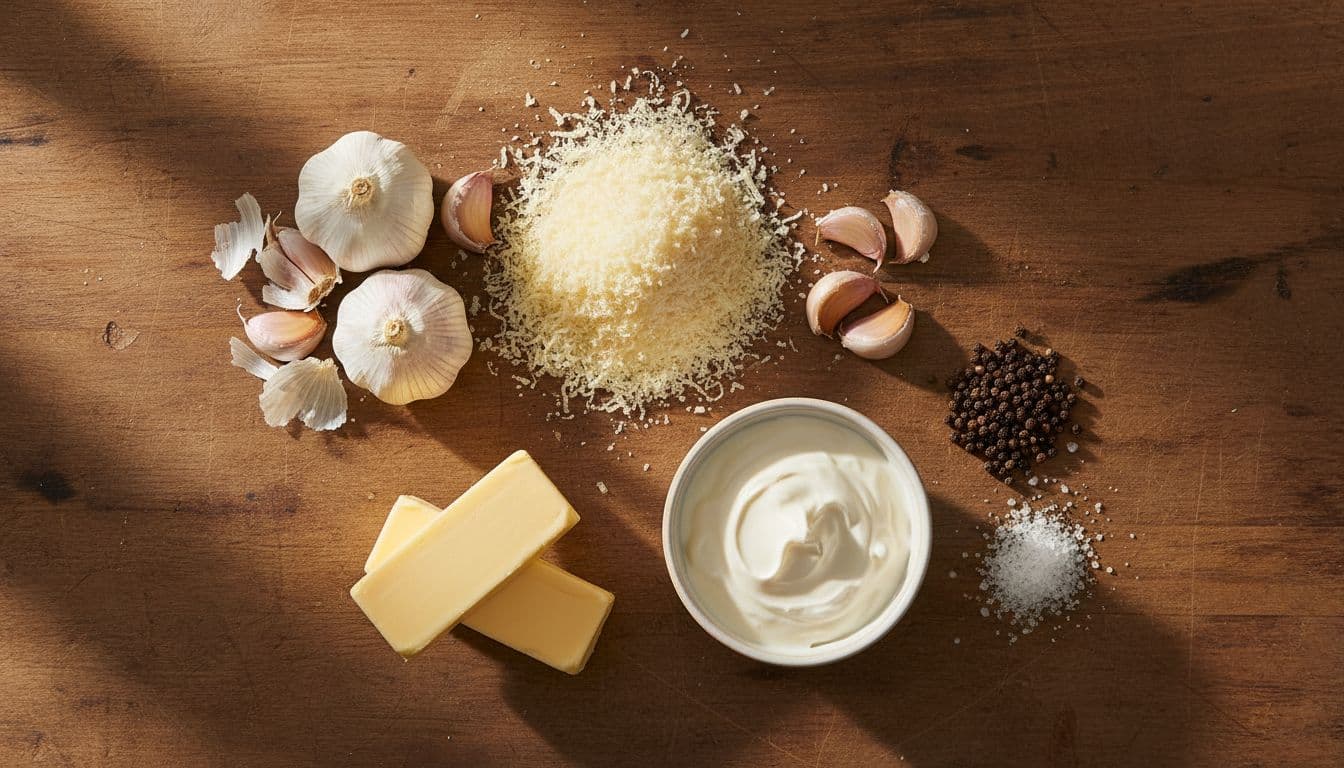
- 4 tablespoons unsalted butter
- 6 garlic cloves, finely minced
- 1 cup heavy cream
- 1 cup finely grated Parmesan cheese
- 1/2 teaspoon kosher salt
- 1/2 teaspoon black pepper
- 1/4 teaspoon red pepper flakes, optional
- 2 to 4 tablespoons warm pasta water, milk, or chicken stock, if needed
I always grate Parmesan from a block. Pre-shredded cheese often has added starch, and that can make a creamy sauce feel sandy. I also mince the garlic small so it melts into the butter instead of sitting in sharp little bits.
I keep the heat low once the cheese goes in. High heat is the fastest way to break this sauce.
If I want a small change, I make it here. Half Parmesan and half Pecorino gives a sharper finish. Half-and-half works in place of cream, too, but the sauce won’t be quite as thick. For a milder version, I cut the garlic back to four cloves.
How I make it without a broken or grainy sauce
The method matters as much as the ingredients. I use a medium saucepan, keep the heat gentle, and never let the sauce boil after the cheese goes in. That sounds fussy, but it isn’t. It only means I slow down for a minute at the end.
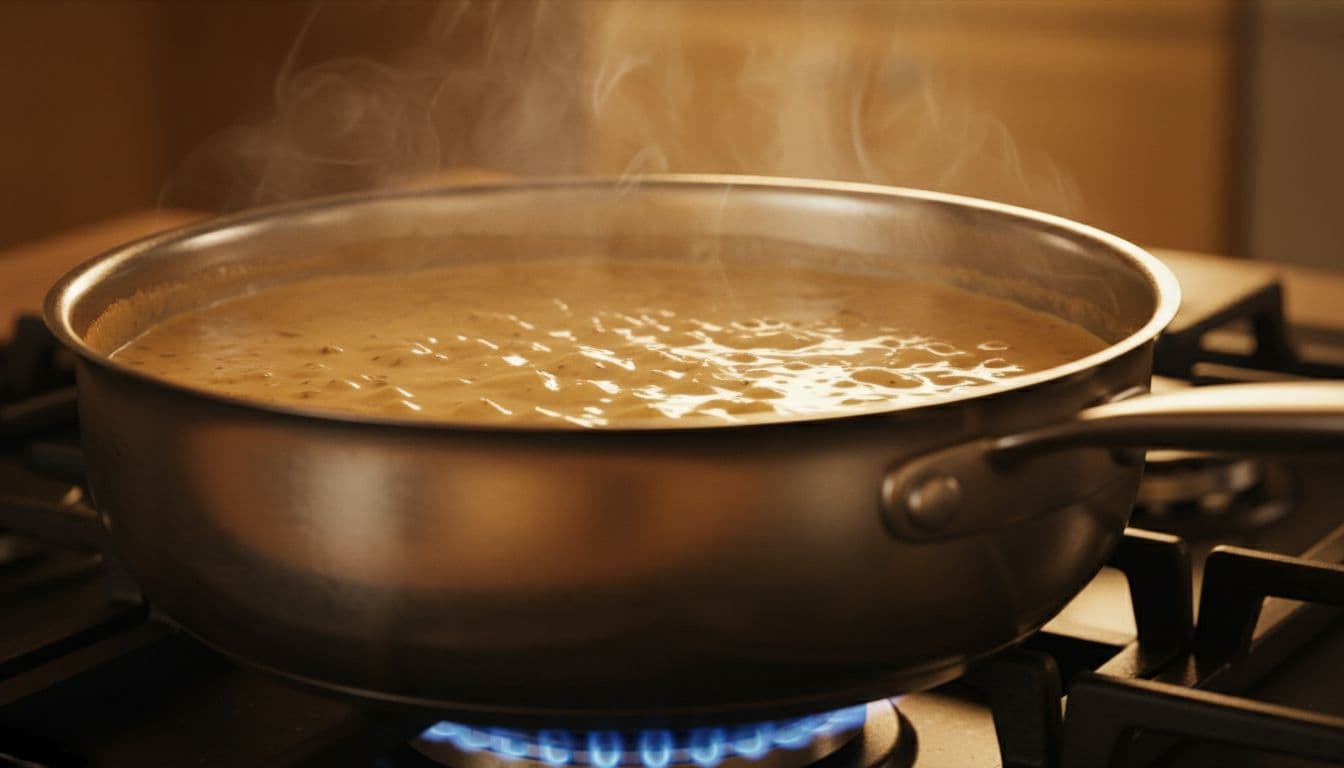
- I melt the butter over low heat.
- Then I add the garlic and cook it for 30 to 60 seconds, until fragrant. I don’t let it brown.
- Next, I pour in the cream and stir. I let it warm for 2 to 3 minutes, until I see a soft simmer around the edges.
- I lower the heat, then add the Parmesan a little at a time, whisking after each handful.
- Once the cheese melts, I stir in the salt, pepper, and red pepper flakes. If the sauce feels too thick, I add warm liquid 1 tablespoon at a time.
When the sauce is right, it looks glossy and smooth, and it coats the back of a spoon. If it starts to look oily, I pull the pan off the heat and whisk in a splash of warm cream or milk. That usually brings it back together.
A grainy sauce usually comes from one of three things, cheese that wasn’t grated fine, heat that was too high, or boiling after the Parmesan went in. I avoid all three, and the texture stays silky. If I need to hold the sauce for a few minutes, I keep it over the lowest heat possible and stir now and then.
This is also the point where I taste and adjust. Parmesan is salty, so I don’t dump in extra salt early. A little black pepper wakes it up, and a pinch of red pepper flakes gives the sauce a gentle edge without turning it spicy.
How I use this sauce for wings and pasta
This is where the sauce earns its place in my kitchen. It works on crispy wings, but it also clings beautifully to hot pasta.
Tossing it with crispy wings
For wings, I want the outside crisp and the coating rich, not soggy. So I always cook the wings first, whether I bake or air fry them, until the skin is browned and crackly.
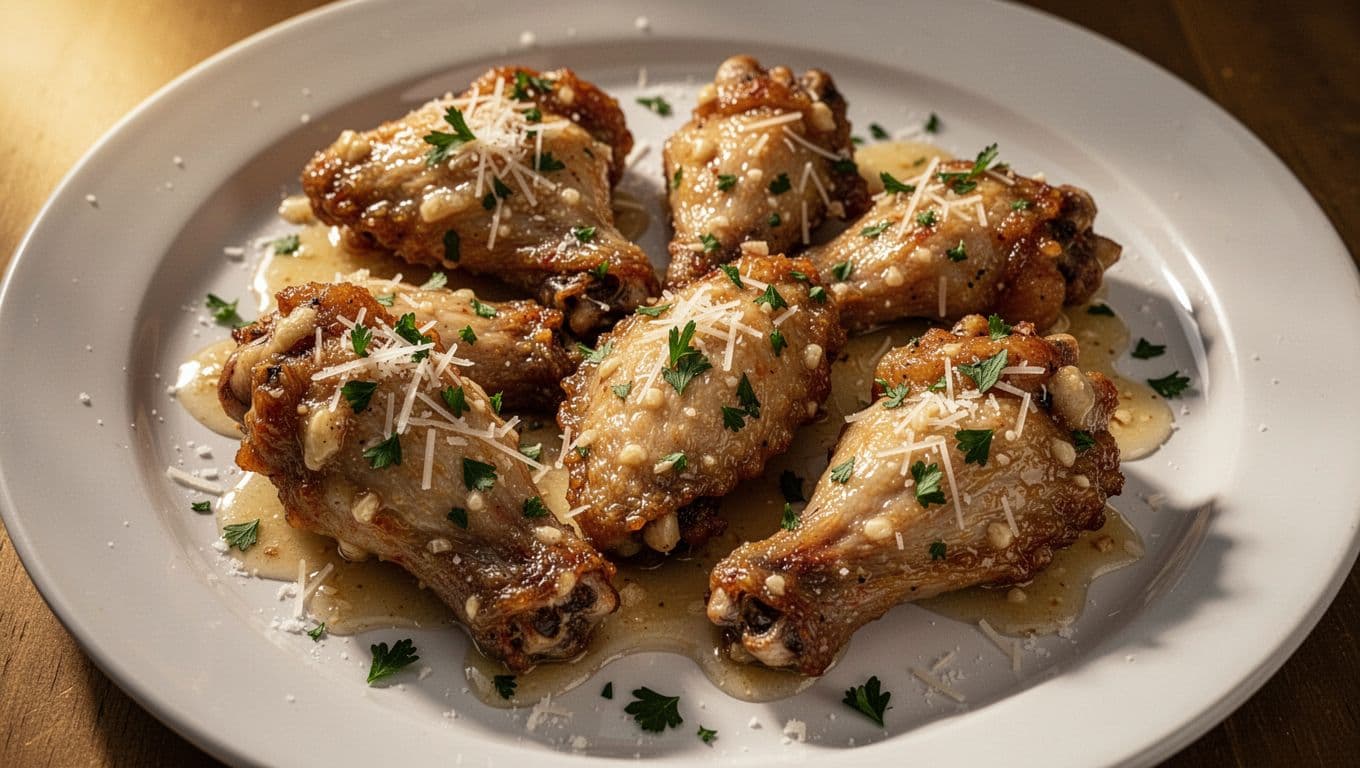
I let them sit for about 1 minute after cooking, then I toss them with 1/2 to 3/4 cup of warm sauce in a large bowl. That quick rest helps the coating stick better. After that, I add a shower of extra Parmesan and a little parsley if I have it.
If I want the wings extra crisp, I use less sauce and drizzle more on top at the table. I like to serve them with celery, carrot sticks, or a squeeze of lemon to cut the richness.
Coating pasta evenly
For pasta, I save at least 1 cup of pasta water before draining. That starchy water is the trick that makes the sauce hug every strand instead of sliding to the bottom of the bowl.
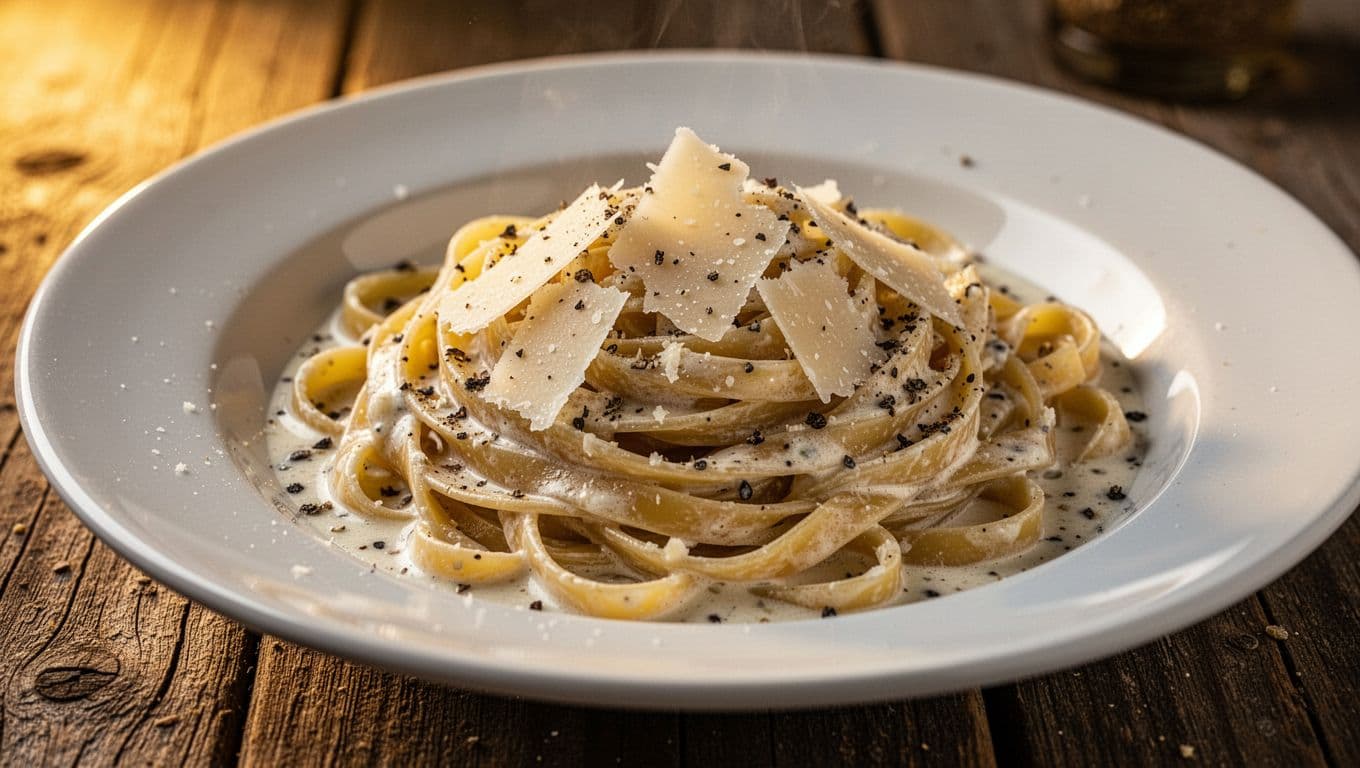
I add the hot pasta straight to the pan with the sauce, then toss over low heat for 1 to 2 minutes. If it looks tight, I stir in a splash of pasta water. That turns the sauce glossy and helps it coat the noodles evenly.
Fettuccine, linguine, and penne all work well. When I want to make dinner feel fuller, I add sliced chicken, sauteed mushrooms, or steamed broccoli. The sauce is rich, so a simple green salad on the side balances it nicely.
Final Thoughts
I keep coming back to this sauce because it feels special without asking much from me. It’s easy, creamy, and full of garlic and Parmesan, but it still behaves if I treat it gently.
Once I learned to use low heat and freshly grated cheese, my garlic parmesan sauce stopped being hit or miss. Now it’s one of those back-pocket recipes that makes both wings and pasta taste like more than a weeknight dinner.