
Uncategorized
My Easy Basil Pesto Recipe Without Pine Nuts

I make basil pesto without pine nuts when I want something fresh, fast, and full of flavor. Pine nuts are lovely, but they are not always in my pantry, and they can make a simple sauce feel expensive for no good reason.
This version keeps things easy. It still tastes bright and rich, and it comes together in minutes with ingredients I can find almost anywhere. If you want a basil pesto recipe that feels homemade without being fussy, this is the one I reach for again and again.
Why I Keep It Pine Nut Free
Pine nuts work well in pesto, but I do not think they are essential. Basil should be the star, and the rest of the ingredients should support it, not hide it.
That is why I like recipes with flexible swaps. Some days I want a deeper, earthier sauce. Other days I want something smooth and mild. A good pesto can handle both. I just pick the ingredient that fits what I have on hand and how I plan to use it.
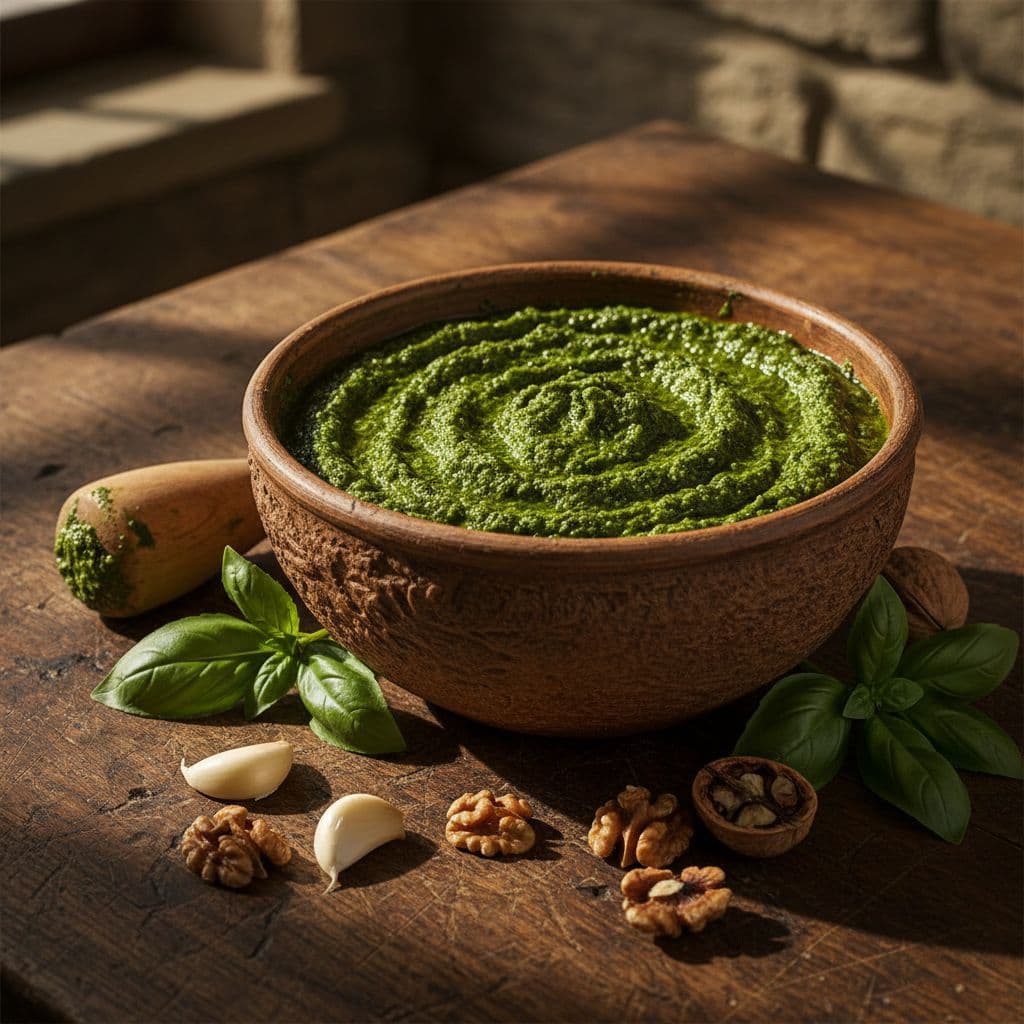
What I Put in My Basil Pesto
This recipe makes about 1 cup, which is enough for one pound of pasta or a small jar to keep in the fridge.
- 2 packed cups fresh basil leaves
- 1/3 cup walnuts, almonds, cashews, or sunflower seeds
- 2 garlic cloves
- 1/2 cup finely grated parmesan
- 1/2 cup extra-virgin olive oil
- 1 tablespoon lemon juice
- 1/2 teaspoon kosher salt, plus more to taste
- Black pepper, if I want a little bite
I keep the basil dry and pack it loosely in the measuring cup. Too much water can dull the flavor and make the pesto loose. I also grate the parmesan finely so it blends smoothly instead of sitting in tiny bits.
If I know I want a nut-free pesto, I use sunflower seeds. They give the sauce body and a gentle toasted flavor without changing the recipe much at all.
My Favorite Swaps for Pine Nuts
When I want the closest feel to classic pesto, I usually choose walnuts. They blend well and give the sauce a soft, creamy texture. Almonds taste a little lighter, cashews make the pesto extra smooth, and sunflower seeds work well when I need a fully nut-free option.
| Swap | Flavor | Texture | My Note |
|---|---|---|---|
| Walnuts | Earthy and slightly bold | Creamy | My default choice |
| Almonds | Mild and clean | A little grainier | Good if I toast them first |
| Cashews | Buttery and mellow | Very smooth | Best when I want a softer pesto |
| Sunflower seeds | Toasty and clean | Thick and rich | My favorite nut-free option |
I like to toast nuts or seeds in a dry skillet for a minute or two when I want a deeper flavor. I do not let them get dark, because pesto should taste fresh, not roasted.
Simple Steps for a Smooth Basil Pesto
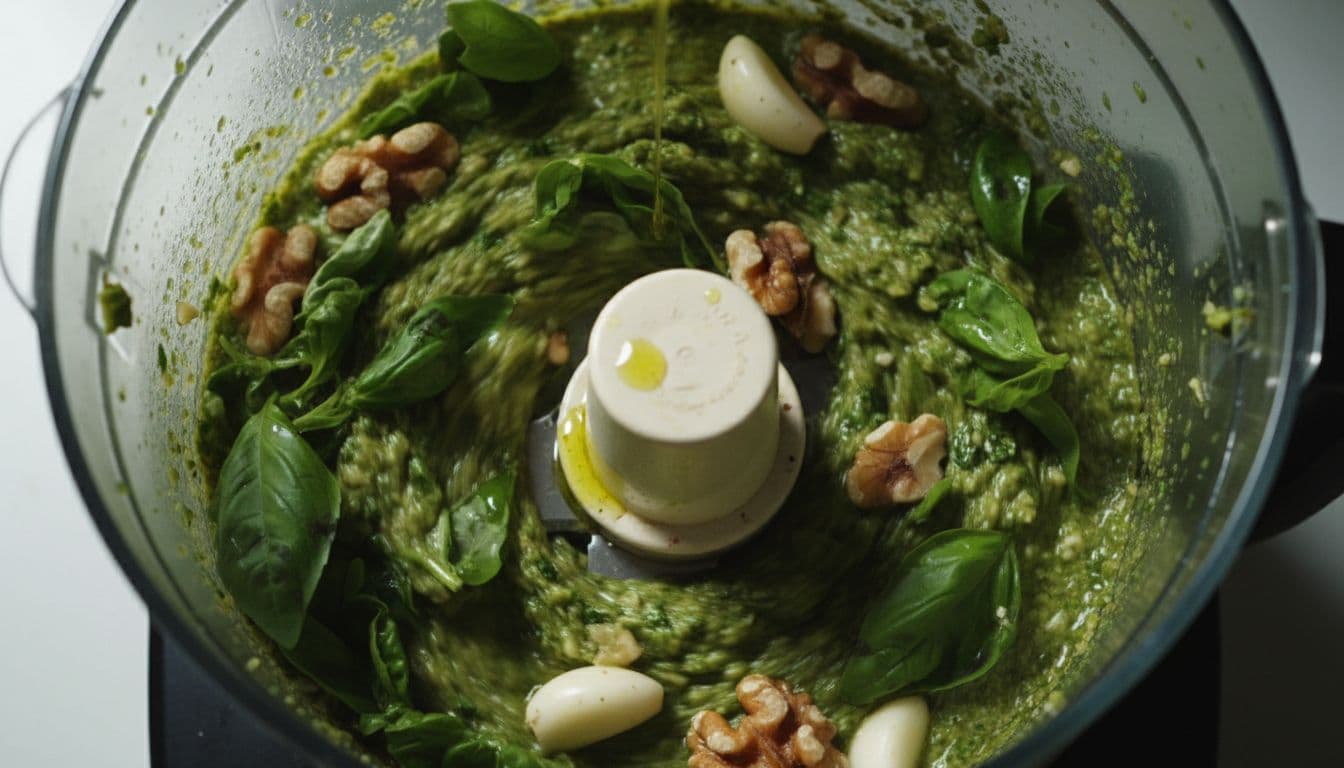
- I add the basil, garlic, nuts or seeds, parmesan, and salt to a food processor.
- I pulse a few times until everything looks chopped and evenly mixed.
- I stream in the olive oil while the processor runs, then stop to scrape down the sides.
- I add the lemon juice and blend again until the sauce looks glossy and spreadable.
- I taste it, then adjust with more salt, lemon, or oil if needed.
If I want pesto for pasta, I stop when it is loose enough to coat a spoon. If I want it for toast or sandwiches, I let it stay a little thicker.
I taste pesto before I call it done. A small splash of oil or lemon can pull the whole sauce into balance.
How I Fix Pesto That Tastes Off
If the pesto tastes bitter, I usually add a little more parmesan or a few extra basil leaves. Young basil tends to taste sweeter, so I pick the softest leaves I can find when I shop.
When the sauce feels too thick, I loosen it with more olive oil. A spoonful of warm water or pasta water works too, especially if I am tossing it with noodles. That little splash helps the pesto cling to the pasta instead of sitting in a heavy mound.
Garlic can take over fast, so I stay careful with it. If the flavor seems too sharp, I let the pesto sit for a few minutes before serving. That short rest softens the raw edge and helps everything blend.
If the sauce tastes flat, I reach for salt first, then lemon. One of those two usually wakes it right up.
How I Serve It at Home
Pesto is one of those sauces that makes simple food feel finished. I use it on weeknights when dinner needs a quick lift, and I love how far one small jar can go.
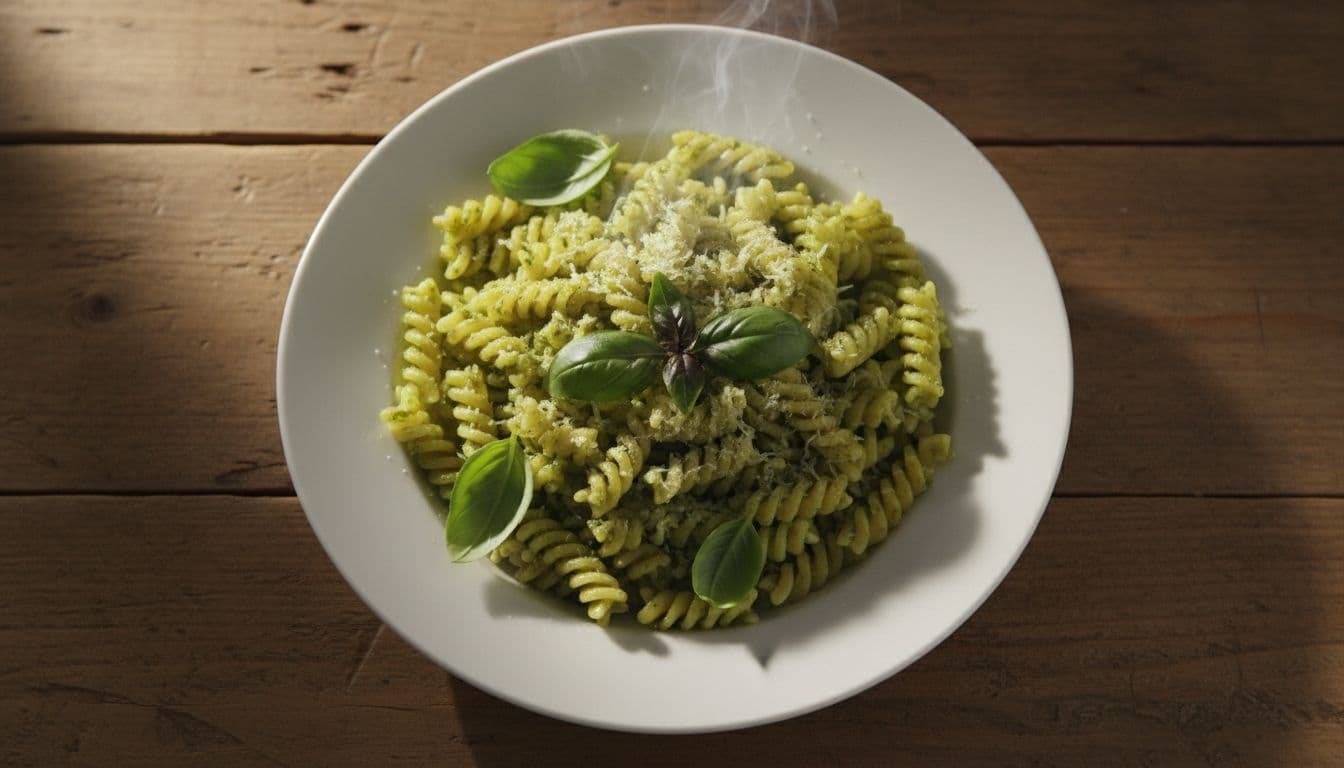
- I stir it into hot pasta with a splash of pasta water.
- I spread it on toast with sliced tomatoes or scrambled eggs.
- I spoon it over roasted potatoes, zucchini, or carrots.
- I brush it onto chicken, fish, or shrimp before serving.
- I swirl a little into soup for a fresh finish.
I also like to save a spoonful for the end of cooking. High heat can dull basil, so I toss pesto with warm food after I take it off the burner. That keeps the flavor brighter and the color greener.
Storage and Freezing Tips
I store leftover pesto in a small jar and press a thin layer of olive oil over the top. That helps slow browning and keeps the surface from drying out. In the fridge, I use it within 4 days.
For longer storage, I freeze pesto in an ice cube tray. Once the cubes are firm, I move them to a freezer bag. That way I can grab one cube for vegetables or two cubes for pasta without thawing the whole batch.
If I know I will freeze it, I sometimes leave out the parmesan and add it later. That keeps the texture a little fresher after thawing.
A Basil Pesto I Make Again and Again
I keep this recipe close because it solves a simple problem in a satisfying way. I still get that bright basil flavor, but I do not have to hunt for pine nuts first.
Walnuts, almonds, cashews, and sunflower seeds all have a place here. Once I found that out, pesto became a weeknight sauce instead of a special-occasion one. That is my favorite kind of recipe, useful, easy, and good enough to make on repeat.
FAQ
Can I make basil pesto without pine nuts?
Yes. I make it that way all the time, and it still tastes rich and fresh. Walnuts are my easiest swap, but almonds, cashews, and sunflower seeds all work well too.
What is the best substitute for pine nuts?
Walnuts are my first choice when I want the closest feel to classic pesto. Cashews make the smoothest sauce, while almonds give a slightly lighter flavor.
Can I make it nut-free?
Yes. I use sunflower seeds for a nut-free basil pesto, and the sauce still has a nice body and a clean flavor. Pumpkin seeds can work too, but sunflower seeds taste milder to me.
How do I keep pesto from turning brown?
I use very fresh basil, add lemon juice, and cover the top with a thin layer of olive oil. If I am not using it right away, I chill or freeze it fast so the color stays bright.
Can I make this pesto dairy-free?
Yes. I swap the parmesan for nutritional yeast and add a little extra salt to taste. The sauce changes a bit, but it still tastes savory and fresh.