
Uncategorized
The Easy Buffalo Sauce Recipe I Use for Wings and Sandwiches

Bottled buffalo sauce often falls flat. Some taste too sharp, some are too thin, and some disappear the second they hit a hot wing.
I make my own homemade buffalo sauce because I want a sauce that tastes bright, buttery, and bold. This buffalo sauce recipe comes together in about 10 minutes, makes about 1 cup, and works on everything from wings to crispy chicken sandwiches.
Key Takeaways
- This 10-minute homemade buffalo sauce uses Frank’s RedHot, butter, vinegar, Worcestershire, and garlic for a bright, buttery, bold flavor that beats bottled versions.
- Easily customize for wings (loose and spicy) or sandwiches (thicker and richer) by adjusting heat with cayenne/honey, simmering longer, or adding extra butter.
- Works on fried, baked, or air-fried wings, crispy chicken sandwiches, shredded chicken, or buffalo cauliflower, with enough for 2 lbs wings or 4 sandwiches per batch.
- Simple one-pan method over low heat keeps it glossy and balanced; taste and tweak salt, acid, or sweetness as needed.
- Stores in the fridge up to 1 week; rewarm gently and whisk if it separates.
Why this buffalo sauce works
Buffalo sauce is simple at heart. It starts with hot sauce and butter, and that old-school combo still holds up. If you like the food history side of it, the National Chicken Council’s wing history gives a quick look at how buffalo wings originated at the Anchor Bar in Buffalo New York during the 1960s.
I keep my version close to that classic base for buffalo wings, but I build in a little more balance. A splash of vinegar brightens the flavor. Worcestershire adds depth. Garlic rounds it out so the heat doesn’t taste one-note.
What I like most is how easy it is to control. For wings, I keep it bold and loose enough to coat every piece. For sandwiches, I simmer it a little longer so it clings to the chicken instead of soaking the bun. It also beats most store-bought sauces on freshness, and I can make exactly what I need.
The first time I made homemade buffalo sauce from scratch, I was surprised by how much better it tasted than anything from a bottle. It had that restaurant-style tang, but it felt cleaner and richer. Since then, I’ve kept this recipe in regular rotation because it works fast and never feels fussy.
Ingredients I use every time
I don’t use many ingredients, which is part of the appeal.
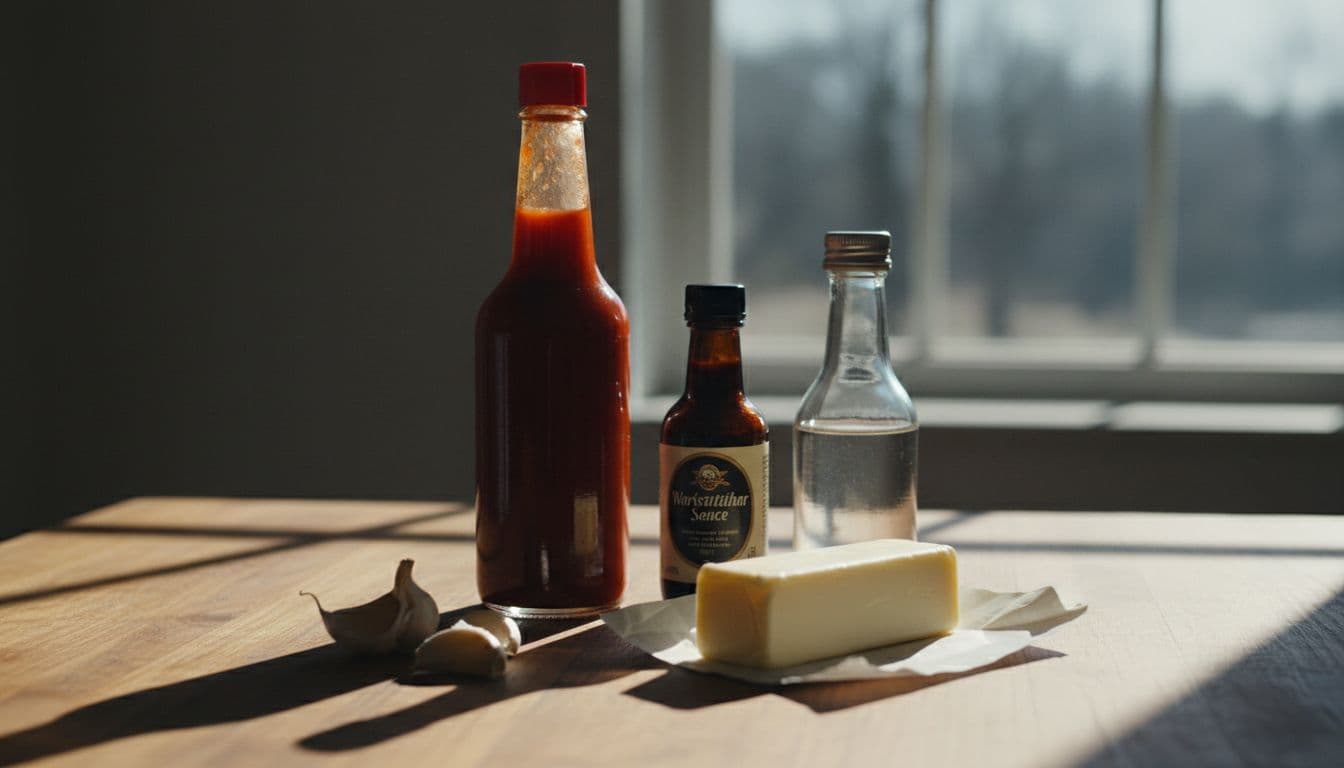
For one batch, I use:
- 2/3 cup Frank’s RedHot cayenne hot sauce
- 6 tablespoons unsalted butter
- 1 tablespoon white vinegar
- 1 teaspoon Worcestershire sauce
- 1/2 teaspoon garlic powder
- 1/8 teaspoon cayenne pepper, optional
- 1 teaspoon honey, optional
- Pinch of kosher salt, if needed
I usually reach for Frank’s RedHot cayenne hot sauce, a classic vinegar-based hot sauce, because using Frank’s RedHot provides the iconic hot sauce flavor expected in a buffalo sauce recipe. I also start with plain hot sauce, not prepared wing sauce. That gives me more room to adjust salt, thickness, and heat. Inspired Taste’s homemade buffalo sauce follows that same approach, and I think it makes the final sauce taste more balanced.
Unsalted butter matters because hot sauce already brings salt. If you only have salted butter, the sauce will still work, but taste before adding anything else. Worcestershire sauce is the small ingredient that makes a big difference. It adds savory depth without turning the sauce heavy.
Garlic powder blends in smoothly, which is why I use it most often. Fresh garlic works too, but it needs a quick cook in the butter first. Honey is optional, though I like it for sandwiches because it softens the sharp edge of the heat.
How I make the sauce in one pan
I make this in a small saucepan over medium heat. The whole thing takes about 10 minutes.
- Melt the butter over low heat until you have smooth melted butter.
- Whisk the melted butter with the vinegar, Worcestershire, garlic powder, and cayenne, if I’m using it.
- Add the hot sauce and honey, then whisk until smooth and the hot sauce is fully incorporated.
- Warm the sauce for 1 to 2 minutes. I don’t let it boil hard.
- Taste and adjust, then use it warm or cool it for later.
That’s it. The sauce should look glossy and smooth, not greasy or broken. If it starts to separate, I keep whisking over gentle heat and it usually comes back together.
Warm buffalo sauce coats hot wings better than room-temperature sauce.
I also avoid a rapid boil because it can make the sauce taste harsh. Low heat keeps the butter silky and the hot sauce bright. If I want an even smoother finish, I pull the pan off the heat and whisk in one more tablespoon of cold butter at the end.
This batch is enough for about 2 pounds of chicken wings or 4 hearty sandwiches. If I’m serving both, I double it and keep half warm on the stove while the rest sits on the table for dipping.
Easy ways I adjust heat, thickness, and butteriness
This is the part that makes homemade buffalo sauce worth it, unlike store-bought sauce. I can tweak it to fit whatever I’m cooking.
Here’s the quick version:
| If I want… | I change… | What I get |
|---|---|---|
| lower spice level | use 1/2 cup hot sauce and add 1 to 2 teaspoons honey | less sharp heat |
| higher spice level | add 1/8 teaspoon cayenne or use a hotter sauce | a quicker burn |
| a thicker sauce | simmer 1 to 2 minutes longer | better cling |
| a richer sauce | whisk in 1 to 2 extra tablespoons butter off heat | softer, rounder flavor |
For wings, I like a medium-hot version because crisp skin can handle a stronger sauce. For sandwiches, I usually make it slightly thicker and a little more buttery. That way it hugs the chicken and doesn’t run straight into the bottom bun.
The hot sauce brand matters too. Some are brighter, some are saltier, and some hit harder. Frank’s RedHot offers great balance for dialing in the right spice level. Laura Fuentes’ notes on buffalo sauce heat are a good reminder that the base sauce sets the tone before you add any extra spice.
If I go too far and make the sauce too rich, I fix it with a teaspoon of vinegar. If it gets too sharp, I whisk in a little butter or honey. Those small changes can turn a rough sauce into a tangy and spicy one you’d want on everything.
How I use buffalo sauce on wings and sandwiches
This is where the sauce earns its place in my fridge. It works on both game-day food and quick weeknight dinners.
For wings
I toss buffalo sauce with hot chicken wings, never cold ones. Heat helps the sauce cling and keeps the skin from going soft too fast. For 2 pounds of cooked chicken wings, I start with 1/3 cup of sauce in a large bowl, add the wings, and toss hard. Then I add a little more if they need it.
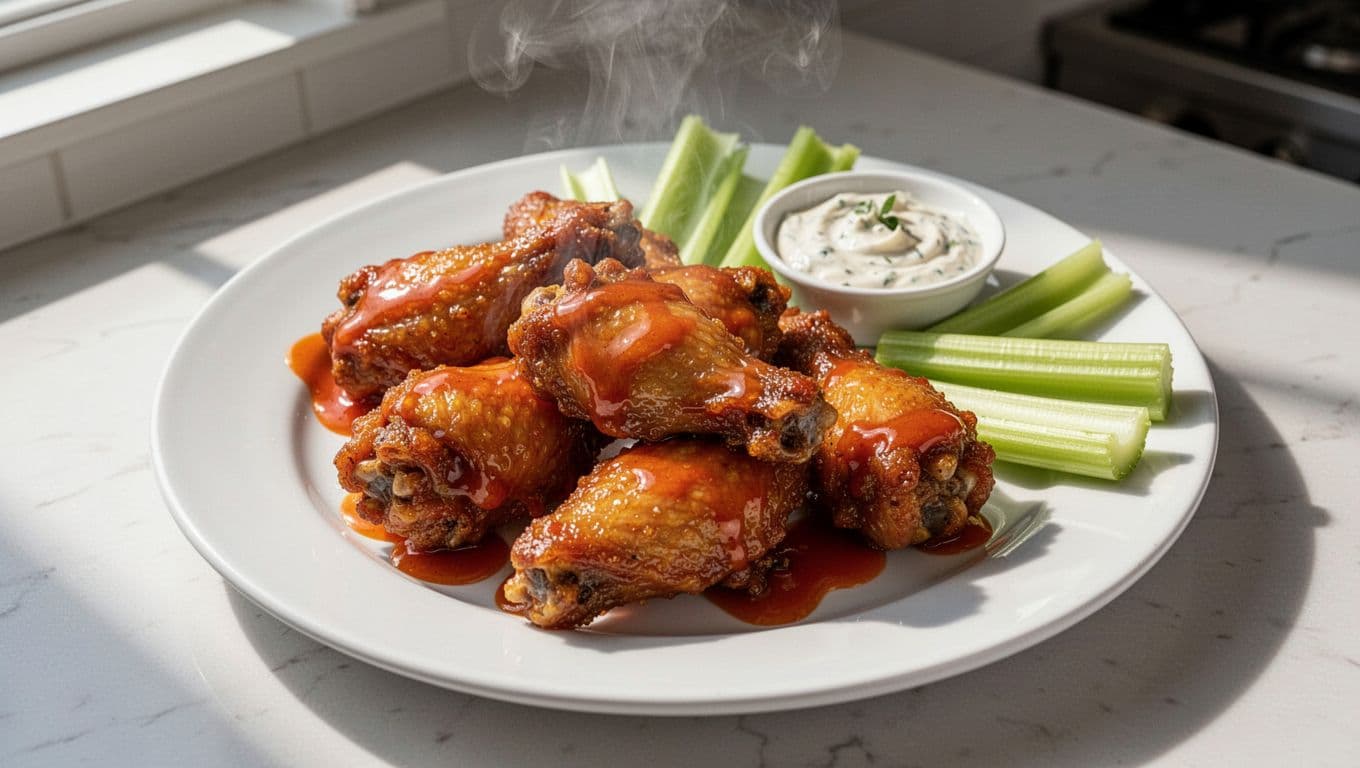
I use this sauce with fried, baked, or air-fried wings. They all work. The classic plate still wins in my house, celery, carrots, and blue cheese dressing or ranch on the side. If you enjoy the story behind that setup, the Smithsonian’s history of Buffalo wings is a fun read.
When I’m feeding a crowd on game day, I leave extra warm dipping sauce on the side. Some people want a light coating. Others want the full slippery, spicy mess. A little control keeps everyone happy.
For sandwiches
I use the same sauce on crispy chicken cutlets, grilled thighs, shredded chicken, and it works perfectly for buffalo cauliflower as a vegetarian alternative. A toasted potato roll or brioche bun holds up best. First, I spread blue cheese or ranch on the bread. Then I add chicken, lettuce or slaw, and enough sauce to coat the meat without soaking the bun.
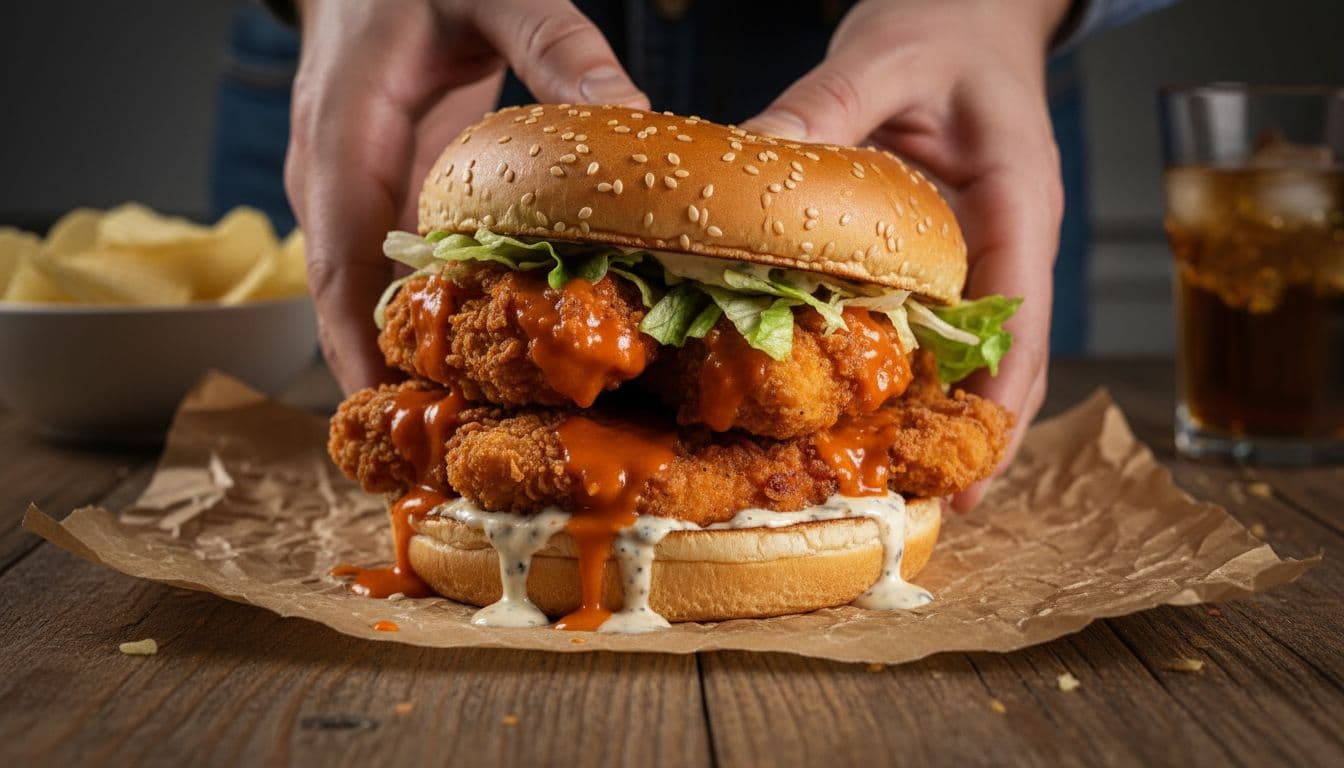
For a fast dinner, I warm leftover rotisserie chicken in a skillet with a few spoonfuls of sauce. For game day, I also like a shredded version like these Buffalo chicken sandwiches from Taste of Home. If I want more crunch, I add pickles, celery slaw, or thin red onion.
Simple substitutions and storage
This recipe is easy to bend. If I’m out of white vinegar, I use apple cider vinegar. If I want more garlic flavor, I swap in 1 small grated clove and cook it in the melted butter for about 30 seconds before adding anything else. For a dairy-free version, vegan butter works well enough for everyday cooking.
I don’t add extra salt until the end. Hot sauce and Worcestershire already do plenty. If I want a smoky note, I add a small pinch of smoked paprika. If I want a sweeter edge, I use brown sugar instead of honey.
Leftover sauce goes into a jar or airtight container in the fridge for up to 1 week. It will firm up because of the butter, and that’s normal. I rewarm it in a small pan over low heat, or microwave it in short bursts, then whisk until smooth. If it separates after chilling, gentle heat usually fixes it, or stir in a bit more melted butter to restore the original texture.
Frequently Asked Questions
Can I substitute the hot sauce or use a different brand?
Frank’s RedHot is my go-to for that classic buffalo flavor, but you can swap in another vinegar-based hot sauce. Just taste first since some are saltier or spicier, and adjust Worcestershire or salt accordingly to keep the balance right.
How do I make the sauce thicker for sandwiches?
Simmer it 1 to 2 minutes longer over low heat to reduce and cling better to chicken. For extra richness, whisk in 1-2 tablespoons cold butter off the heat—it softens the edges without making it greasy.
What’s the best way to store and reheat leftovers?
Keep it in a jar in the fridge for up to 1 week; it firms up from the butter, which is normal. Rewarm gently in a pan or microwave in bursts, then whisk smooth—if it separates, low heat and stirring fix it every time.
Can I make it dairy-free or adjust for less heat?
Vegan butter works fine for dairy-free. For milder spice, use 1/2 cup hot sauce and add 1-2 teaspoons honey; it tones down the sharpness while keeping the tangy buffalo vibe.
Does fresh garlic work instead of powder?
Yes, grate 1 small clove and cook it in the melted butter for 30 seconds before adding other ingredients. It adds fresh punch but blends just as smoothly in the end.
Final thoughts
I keep this buffalo sauce recipe around because it solves dinner fast. It has the tang, heat, and buttery finish I want, and it works as well on wings, sandwiches, and even buffalo chicken dip.
Once I have the base down, I can make it milder, hotter, thicker, or richer without losing that classic Buffalo flavor. That’s why I keep coming back to it.