
Uncategorized
My Easy Honey Mustard Sauce Recipe at Home

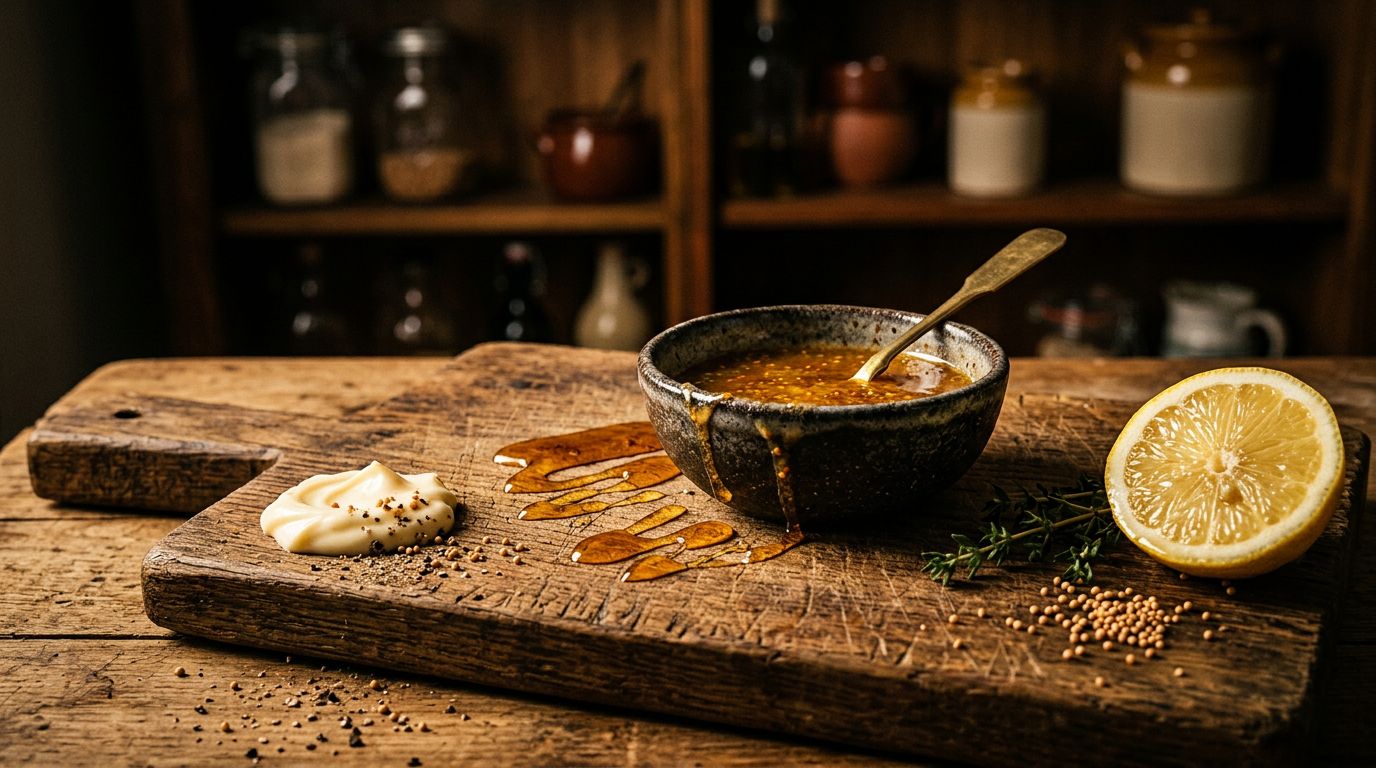
Some sauces feel fussy, but this honey mustard sauce never does. I can stir it together in about five minutes with a few fridge and pantry basics, and it tastes fresher than most bottled versions.
What I like most is how easy it is to tweak. I can make it sweeter for chicken tenders, tangier for salads, or thicker for sandwiches. My base recipe makes about 1/2 cup, which is plenty for dinner and a little extra for later.
The simple ingredients I use every time
When I want a classic homemade flavor, I use both Dijon and yellow mustard. Dijon brings bite, while yellow mustard keeps the sauce familiar and bright. Mayo gives it body, and honey softens the sharp edges.
Here’s the mix I use most often:
- 1/4 cup mayonnaise
- 1 tablespoon Dijon mustard
- 1 tablespoon yellow mustard
- 2 tablespoons honey
- 1 teaspoon apple cider vinegar or lemon juice
- A small pinch of salt
- A small pinch of black pepper
- Optional, 1/4 teaspoon garlic powder or 1 small grated garlic clove
If I don’t have Dijon, I use all yellow mustard. The sauce turns milder and a little sweeter. If I skip yellow mustard and use all Dijon, the flavor gets deeper and more punchy. Both versions work, so I use whatever fits the meal.
I swap the mayo now and then, too. Greek yogurt gives the sauce a lighter feel and more tang, although it won’t taste quite as rich. When I use yogurt, I usually add a little more honey to keep the balance right.
I keep the vinegar modest at first because it’s easy to add more later. The same goes for garlic. A little makes the sauce taste lively, but too much can take over fast.
How I make honey mustard sauce in 5 minutes
Once everything is on the counter, the sauce comes together fast. I mix it in a small bowl with a whisk or even a fork. If I’m being honest, I usually grab the fork because it’s one less thing to wash.
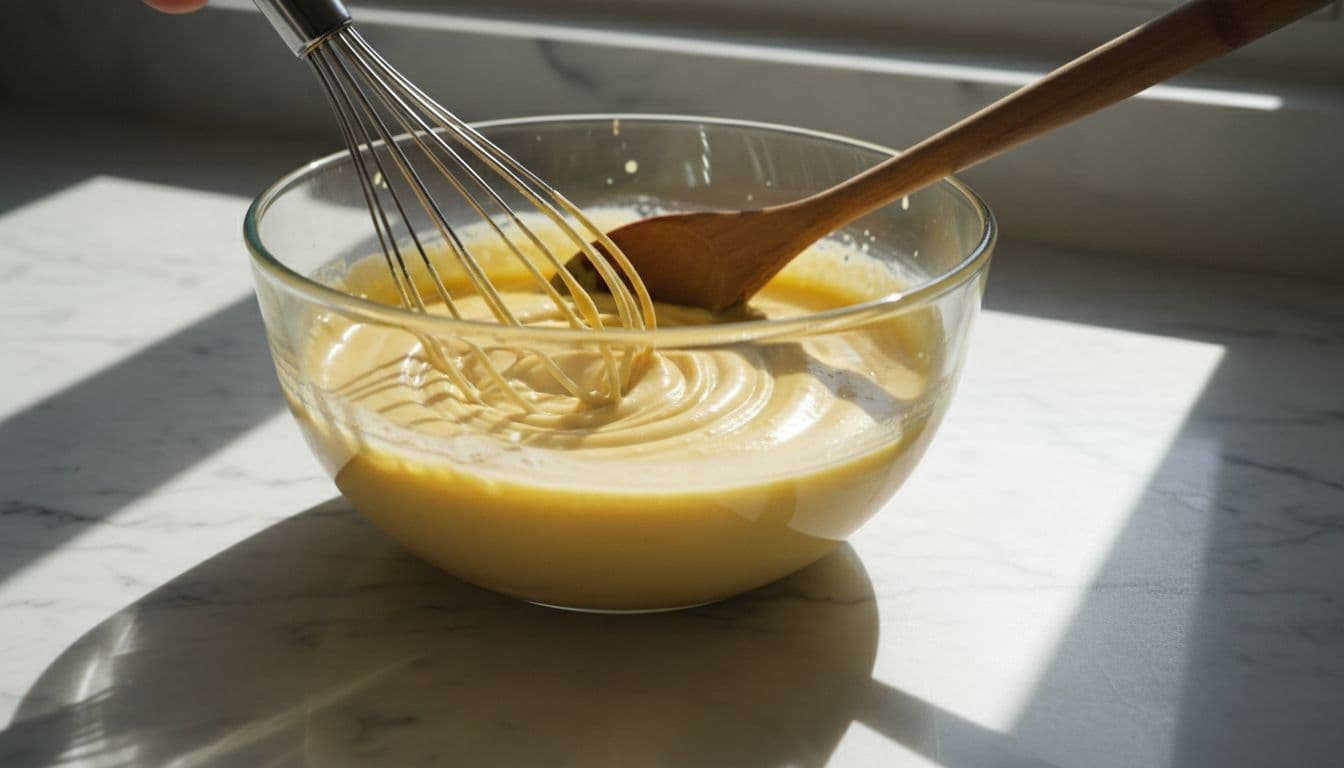
Then I follow these quick steps:
- Add the mayo, Dijon, yellow mustard, honey, and vinegar to a bowl.
- Whisk until the color looks even and the texture turns smooth.
- Stir in the salt, pepper, and garlic, if I’m using it.
- Taste the sauce and adjust it in small amounts.
- Chill it for 10 minutes if I have time, then stir again and serve.
I look for a soft, glossy texture with no streaks. If the honey is cold and stiff, the first whisk can feel a little stubborn. In that case, I let the bowl sit for a minute, then mix again.
If I want a dip for fries or chicken tenders, I stop there. For a sandwich spread, I sometimes add another spoon of mayo. For salad, I loosen it with a teaspoon of water, lemon juice, or extra vinegar.
If my sauce tastes flat, I add a few drops of vinegar before more salt. That small hit of acid usually wakes it up.
That’s the whole recipe. It feels almost too easy, like a shortcut that doesn’t taste like one.
How I adjust the sweetness, tang, and thickness
The best part of homemade honey mustard sauce is the control. Store-bought versions often swing too sweet or too sharp. At home, I can fix both in seconds.
If the sauce tastes too sweet, I add a little Dijon or vinegar. If it tastes too tangy, I stir in another teaspoon of honey or mayo. More yellow mustard keeps it mellow, while more Dijon gives it a sharper finish.
Thickness matters, too. A thick sauce works best for wraps, burgers, and dipping platters because it stays put. When I want that texture, I use a bit more mayo and let the sauce chill before serving.
For salads, I thin it until it falls easily from a spoon. Water works fine, but lemon juice or apple cider vinegar adds more flavor. Greek yogurt changes the texture, too. It makes the sauce a little looser and a little tart, so I start small and taste as I go.
I never try to fix everything in one big splash. I adjust in teaspoons, then taste again. That slow approach saves the sauce every time.
My favorite ways to serve honey mustard sauce
I use this sauce all week because it works with more meals than people expect. On busy nights, I spoon it next to chicken tenders and fries. It also makes a great spread for turkey sandwiches, ham sliders, and crispy chicken wraps.
At lunch, I use it two ways. First, I spread a thicker layer inside a wrap. Then I thin the rest for a quick salad dressing. It wakes up chopped romaine, grilled chicken, and even a plain side salad that needs help.
It’s also good on dipping platters. I set out a bowl with pretzels, carrot sticks, cucumber slices, fries, and bite-size chicken. The sauce ties everything together. It’s a little like a good throw pillow in a living room, it makes the whole setup feel finished.
When I want dinner to feel less plain, I drizzle it over a warm chicken sandwich or serve it with roasted potatoes. I’ve even used it with baked pork chops. The sweet and tangy mix makes simple food taste more complete.
How I store it and avoid common mistakes
I keep leftover sauce in a sealed jar in the fridge and use it within about five days. A quick stir brings it back together if it thickens up.
The most common mistake is adding too much honey first. That can bury the mustard. Too much vinegar causes the same problem in the other direction. I start small, taste often, and adjust with a light hand. If kids are eating it, I usually skip raw garlic and use garlic powder instead.
Why I keep making this honey mustard sauce
A good sauce can save dinner, and this honey mustard sauce does it with almost no effort. It turns plain chicken, a basic sandwich, or a simple salad into something I want to eat again.
The best part is how easy it is to make it your own. Once I learned the balance of honey, mustard, and mayo, I stopped reaching for the bottle.