Uncategorized
What Are the Top 10 Windiest States in the US Right Now?

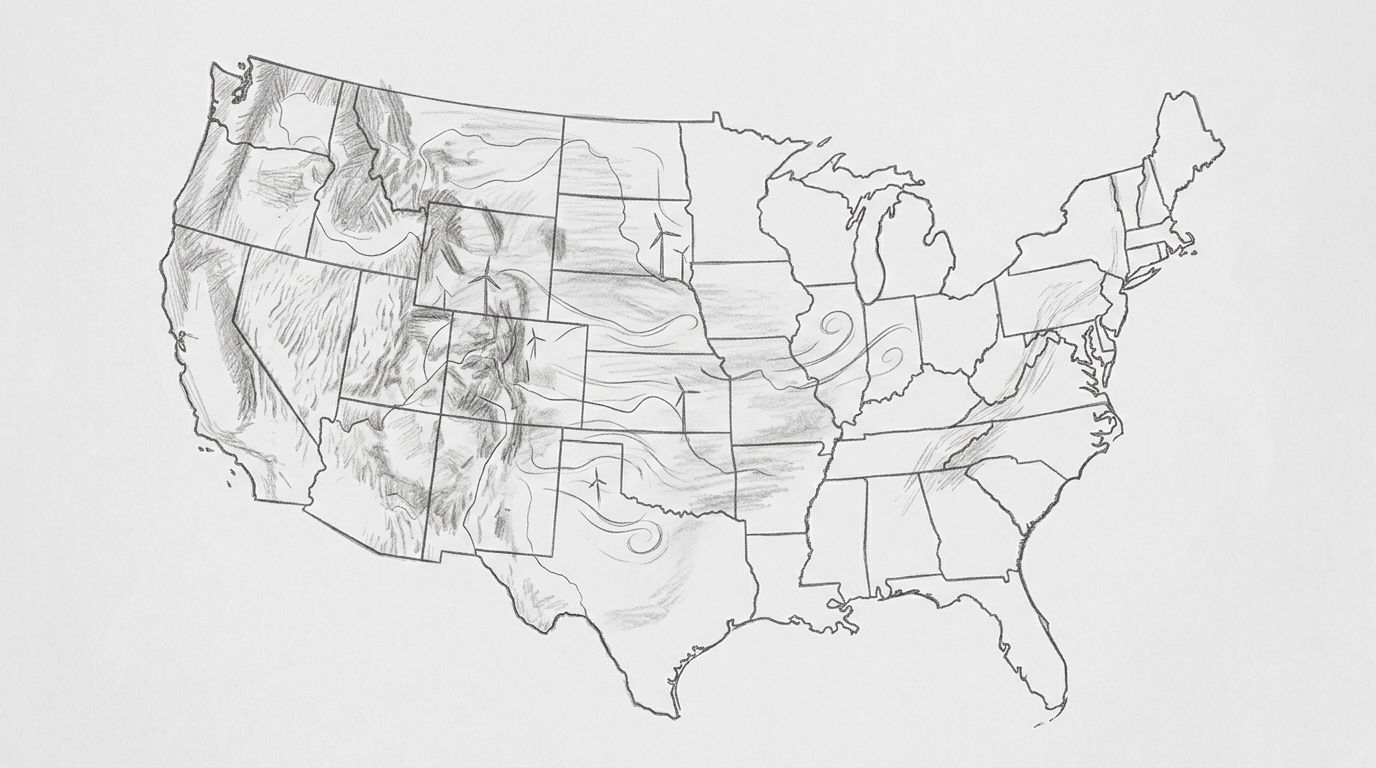
If you want the short answer, the windiest states are mostly in the Great Plains and the Mountain West. Based on recent 2025 statewide average annual wind speed data, South Dakota comes in first, with Montana and Wyoming close behind.
That said, wind rankings are slippery. A state can look calm on one map and fierce on another, depending on where the data was taken and how it was measured.
How I ranked the windiest states
For this list, I used recent statewide average annual wind speed figures reported in 2025 and reflected in sources like LandApp’s state wind speed data and World Population Review’s 2026 wind ranking. I also cross-checked how weather outlets explain wind measurement, including Spectrum Local News’ wind explainer, which notes that rankings often rely on sustained wind speed, not gusts.
I’m using a recent snapshot, not a long-term climate normal. So this is best read as a current, data-based ranking of average annual wind speed by state.
Rankings can vary by dataset, elevation, coastal exposure, station coverage, and whether a source measures sustained wind speed or short gusts.
That’s why you may see a different order elsewhere, especially when a source uses offshore data, mountain stations, or wind speeds measured higher above the ground.
The top 10 windiest states right now
Here’s the ranked list based on the recent statewide averages I found.
- South Dakota, 21.3 mph
South Dakota takes the top spot. Its wide-open plains give wind very little to slow down, so air moves across the state like water through a funnel. - Montana, 21.0 mph
Montana mixes open prairie with mountain gaps, and that combination can ramp up wind fast. Eastern Montana, in particular, is known for steady airflow. - Wyoming, 20.9 mph
Wyoming has long been famous for strong wind, and this number backs it up. High elevation and exposed terrain make the state feel brisk almost year-round. - Idaho, 20.6 mph
Idaho may surprise some people, but its valleys, ridges, and open areas can channel wind in a big way. The state’s shape and terrain help explain the high average. - Colorado, 20.2 mph
Colorado isn’t just snowy peaks and ski towns. Large plains east of the Rockies and strong pressure shifts help push its statewide average above 20 mph. - Maryland, 19.7 mph
Maryland ranks high in this dataset, though I’d treat it with some caution because coverage and coastal exposure can sway statewide averages. Its shoreline and open-water influence likely play a big role. - Kansas, 19.3 mph
Kansas looks exactly like many people imagine a windy state. Flat ground, open sky, and strong weather systems make it a natural fit on this list. - Missouri, 19.3 mph
Missouri ties Kansas in the reported average. While parts of the state feel sheltered, open regions and active storm tracks keep its yearly number elevated. - North Dakota, 18.8 mph
North Dakota stays consistently windy because it sits in the heart of the northern Plains. Cold fronts and broad open land help maintain a strong average. - Nebraska, 18.5 mph
Nebraska rounds out the top 10. It may not get the same windy reputation as Wyoming, but the plains there rarely sit still for long.
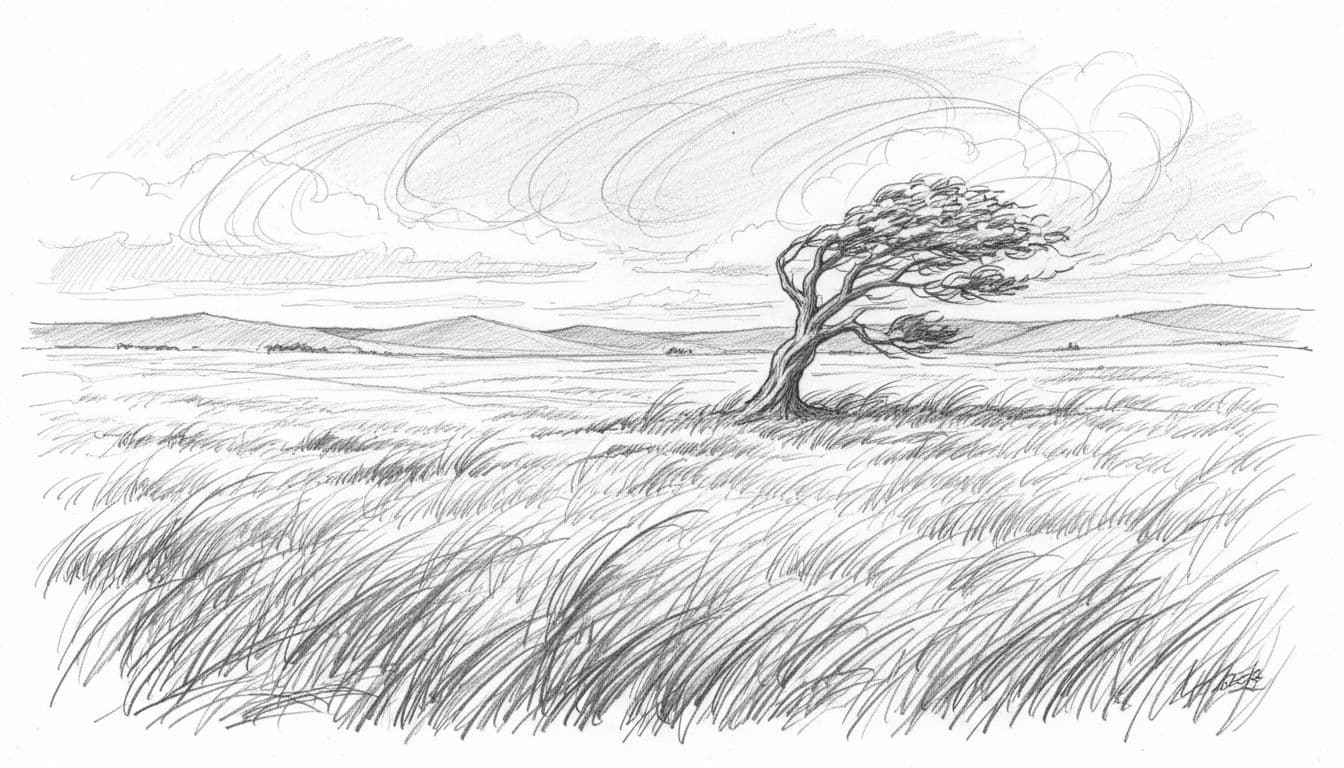
The big takeaway is simple: most of these states share open land, higher elevation, or both. Wind loves room to run.
Why these states stay so windy
Geography does most of the work here. The Great Plains act like a giant runway for moving air, especially when weather systems sweep from west to east. With fewer forests and fewer steep obstacles, wind can keep its speed.
The Mountain West adds another layer. In places like Wyoming, Montana, Idaho, and Colorado, ridges and gaps can squeeze air and speed it up. That’s part of why these states often feel windier than their population centers might suggest.
Coastal exposure can matter, too. Maryland shows how shoreline influence can lift a statewide average, even when inland areas feel less extreme. So when I compare the windiest states, I keep the method in mind as much as the number itself.
What this means for daily life at home
If you live in one of these states, wind is more than a weather stat. It shapes how I’d plan a patio, place a grill, or pick plants for a garden bed.

I’d choose heavier outdoor decor, anchored furniture, and sturdy planters. In the garden, I’d lean toward wind-tolerant plants like ornamental grasses, yarrow, lavender, and shrubs with flexible stems. Even small choices help, because constant wind can dry soil fast, snap blooms, and make a cozy backyard feel a little wild.
For travel, the same rule applies. A calm 60-degree day can feel cooler when the wind keeps pushing through layers and loose clothing.
Final thoughts
So, what are the top 10 windiest states? Right now, South Dakota leads, followed by Montana, Wyoming, Idaho, and Colorado, with the rest of the top 10 largely anchored in the Plains. The exact order can shift, but the pattern stays the same: open land, exposure, and elevation keep these states breezy. If nothing else, this list proves that wind has a real home turf in the American interior.