
Life
Don Baskin Net Worth in 2026: A Realistic Estimate

Pinning down don baskin net worth in 2026 is harder than putting one price tag on a full truck yard. His main company is private, and many of his biggest assets sit in land, vehicle inventory, and a massive car collection.
From what I can verify, a fair 2026 estimate is $100 million to $500 million, with the strongest case landing closer to $300 million to $500 million. The range makes more sense once I look at what he owns and how private businesses get valued.
My estimate for Don Baskin net worth in 2026
I haven’t found any public filing, audited balance sheet, or direct statement from Baskin that confirms an exact fortune. That matters, because without public numbers, every figure online is an estimate, not a fact.
Still, the range is not random. A January 2026 estimate roundup and Coinpaper’s financial overview both point to the same core picture: a large truck dealership, valuable real estate, heavy inventory, and a rare-car collection that may be worth tens of millions on its own.
This quick table shows how the estimates tend to break down.
| Estimate range | Why some sources use it | My take |
|---|---|---|
| $50 million or less | Very cautious guess, often with little asset detail | Likely too low |
| $100 million to $300 million | Conservative view of a private dealership and collection | Plausible floor |
| $300 million to $500 million | Higher valuation for land, truck inventory, and collector cars | Most credible upper band |
The biggest gap comes from asset pricing. A private truck business does not trade on a stock exchange, so writers have to work backward from scale. They look at acreage, sales claims, inventory size, and what similar hard-asset businesses might be worth. Then they add the vehicle collection, which can swing hard with the collector market.
My read is simple: $500 million is possible, but only if the collection and business inventory are valued at the strong end.
So, if I had to put one practical figure on Don Baskin net worth in 2026, I would place it around $350 million, while keeping the broader range in view.
The business engine behind his wealth
Most of Baskin’s money appears to come from Don Baskin Truck Sales in Covington, Tennessee. Public profiles describe it as a large operation that sells dump trucks, mixers, semis, trailers, and other commercial vehicles to buyers in construction, farming, and transport.
Some estimates say the business sits on about 60 acres and produces annual sales somewhere between $10 million and $100 million, with a few sources narrowing that to roughly $20 million to $25 million. Those figures are not publicly audited, so I treat them as rough guides. Even so, the footprint points to a serious business, not a small local lot.
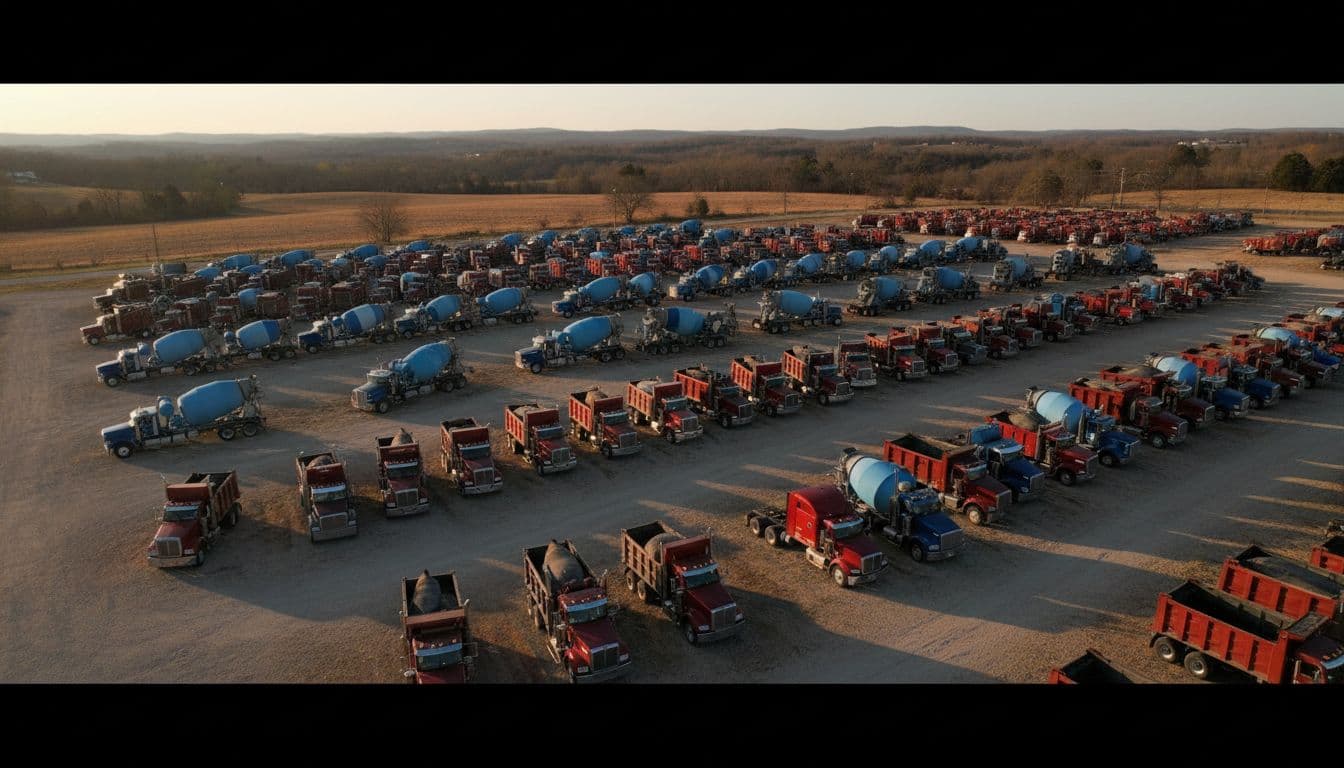
A career and business profile says the dealership may move about 3,600 trucks in a year. I can’t verify that count from an official source, but the claim helps explain why high-end net worth estimates keep showing up. Large-volume truck sales create cash flow, and the inventory itself holds value.
Real estate also matters here. A 60-acre commercial site, plus warehouses and support space, can add meaningful wealth before I even price the vehicles. Then there is the stock on hand. For dealers, inventory is not only product, it is part of the balance sheet.
What I do not see in public write-ups is one huge sale that changed everything overnight. Instead, Baskin’s wealth looks old-school. It appears to come from steady turnover, repeat buyers, land ownership, and years of reinvesting in assets he understands. That makes the story less flashy, but it also makes the higher estimates easier to believe.
His car collection is the valuation wild card
The hardest asset to price is the one people talk about most, his private car collection. Multiple 2025 and 2026 profiles say Baskin owns close to 1,000 vehicles. If that count is even roughly right, the collection alone can move his net worth estimate by a huge margin.
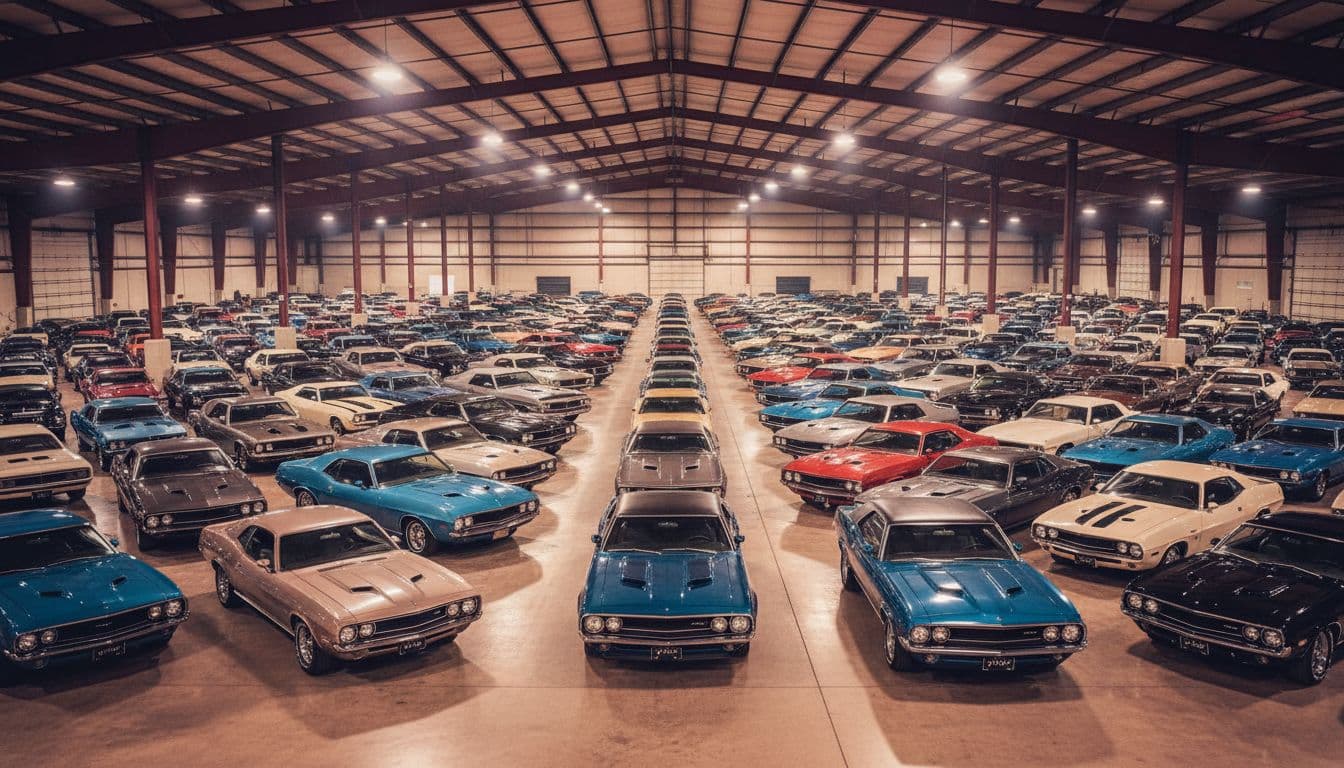
A biography and career summary and other 2026 write-ups describe the collection as one of the largest private automotive holdings tied to a low-profile businessman. Some estimates place the cars at roughly $45 million to $80 million. I read that range as possible, not proven.
Collector cars are tricky because value is not fixed. Condition, rarity, restoration quality, auction demand, and storage all affect price. A few standout vehicles can raise the total fast. On the other hand, a large collection also includes cars that are worth far less than headline auction results.
This is also where private finance becomes murky. I do not have audited debt levels, loan balances, insurance costs, or updated appraisals. Those missing pieces matter because net worth is assets minus liabilities. If the business carries financing on inventory or property, the real number could sit lower than the most optimistic articles claim.
That is why I keep coming back to a middle path. The lower-end estimates ignore too much scale. The highest figures may assume top-dollar valuations across the board. A range of $300 million to $500 million, with room for a lower conservative floor near $100 million, fits the public facts best.
Where I land in 2026
Private fortunes built on trucks, land, and collector cars rarely come with a clean sticker price. That is true here as well.
The clearest takeaway is that Don Baskin’s wealth is asset-driven. I see a private business owner whose fortune likely comes from commercial truck sales, real estate, and a car collection that can shift the math by tens of millions.
So when I assess Don Baskin net worth in 2026, I land on an estimate, not a certainty. My best call is about $350 million, with a wider credible band of $100 million to $500 million because the books are private.