Travel
The Top 10 Christmas Destinations in Europe for 2026

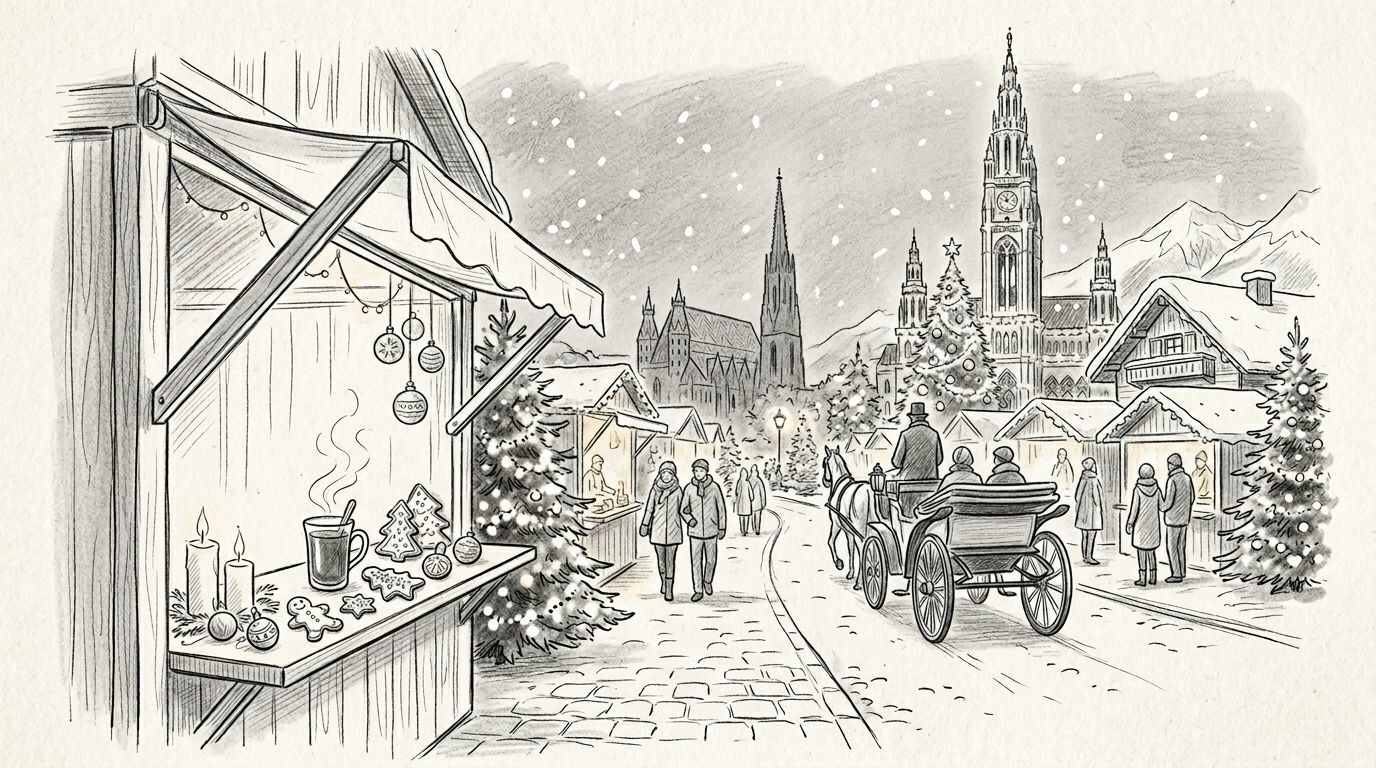
If you’re hunting for christmas destinations europe that feel like walking into a snow globe, I get it. I want twinkle lights, a warm drink in my hands, and streets that smell like cinnamon and toasted nuts.
Below are the 10 places I’d pick for a Christmas trip in Europe, with a mix of classic markets, cozy alpine scenery, and a few “only-in-winter” experiences. Most Christmas markets start in late November and run until December 23 or 24, with holiday lights often staying up into early January. For a quick reality check on timing as you plan, I like this 2026 Christmas market date roundup.
My top 10 Christmas destinations in Europe (and what makes each one special)
1) Vienna, Austria (imperial markets and cozy café breaks)
Vienna does Christmas with serious style. I come for the grand squares, then stay for the café culture when my toes go numb. The markets around City Hall and palaces feel polished, but still warm and local.
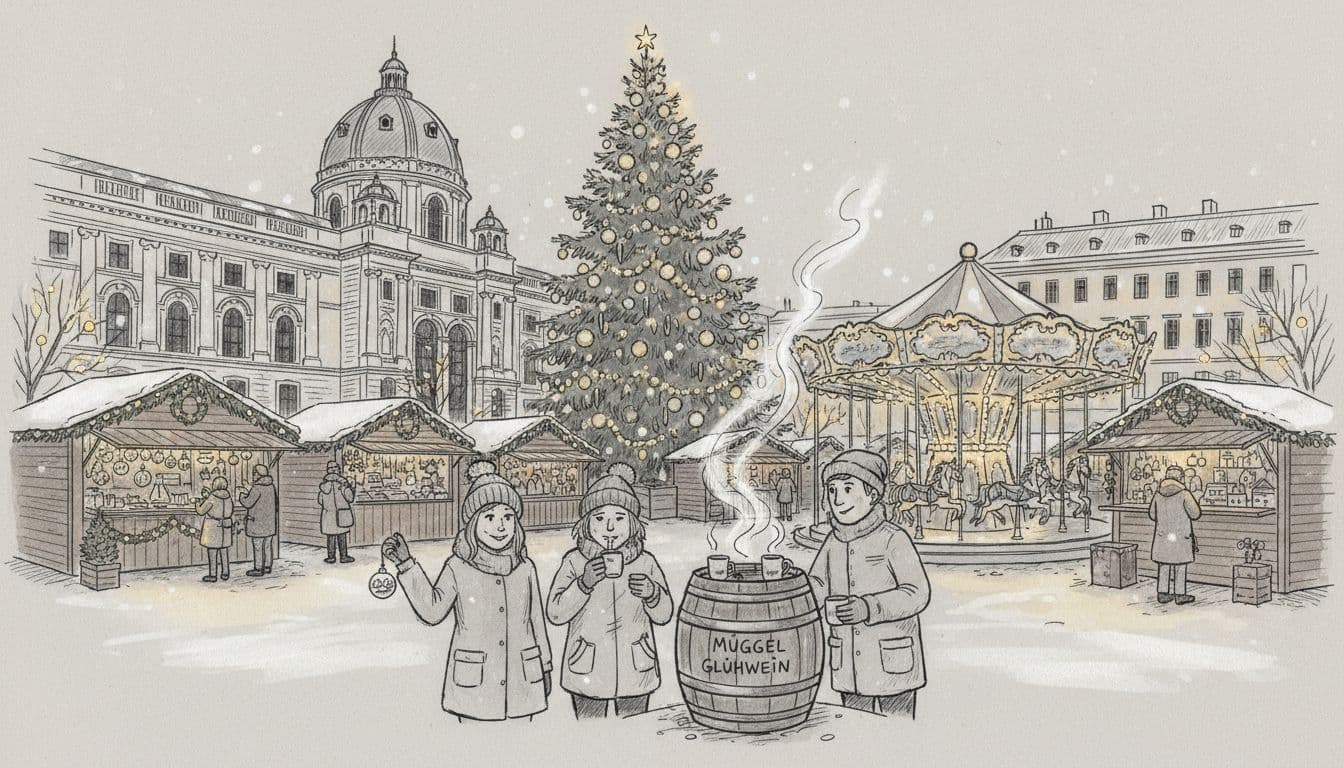
If you love home decor, Vienna is a gold mine for ornaments, paper stars, and natural wreath ideas. Go on a weekday evening for calmer browsing, and book concerts early if you want a music night.
2) Salzburg, Austria (storybook streets and Advent traditions)
Salzburg feels like a carol turned into a city. The baroque skyline, the fortress above town, and the smaller scale make it extra cozy. I plan for at least one evening walk when the lights flick on.
A practical note for 2026: the Christmas market at Fortress Hohensalzburg is typically Advent-weekends-only, so it’s worth checking dates before you lock in hotels. Early December can also bring Krampus events in the region, which are loud, weird, and unforgettable.
3) Innsbruck, Austria (mountains first, market second)
Innsbruck is where I go when I want Christmas plus real winter scenery. It’s not just stalls and snacks, it’s peaks, fresh air, and that alpine hush after snowfall.
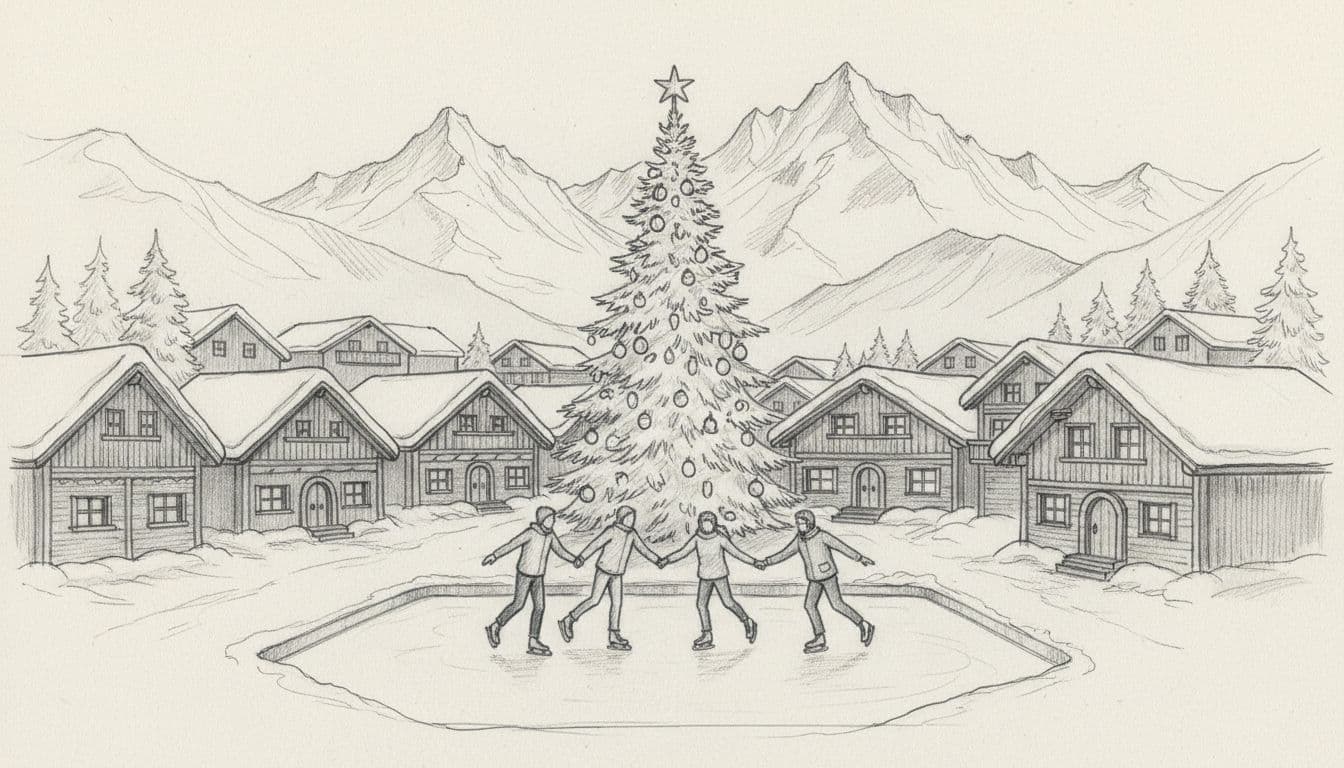
I like pairing the Old Town market with a cable car ride for views. Also, it’s a smart pick if you want a festive base with easy day trips and a less frantic pace than the biggest capitals.
4) Prague, Czech Republic (gothic drama and old-world sparkle)
Prague at Christmas looks like it was designed for postcards. The Old Town Square market, the views from bridges, and the dark spires against winter skies feel dramatic in the best way.
I go for hot pastries and handcrafted ornaments, then pop into a warm pub for something hearty. If you’re traveling late November, you’ll still get the lights without peak-season crowds. The city can be slick in winter, so shoes with grip matter here.
5) Strasbourg, France (the “Capital of Christmas” vibe)
Strasbourg leans all the way into Christmas, and it works. Timber-framed buildings, glowing streets, and markets spread across several squares make it feel immersive, not just like one main plaza.
If you want to see how big the Christmas market scene is across the continent, this Europe-wide market ranking list is useful for comparing spots. I also like Strasbourg for Alsace food, think pretzels, cheeses, and warming spiced treats that inspire my holiday entertaining at home.
6) Cologne, Germany (cathedral backdrop and easy train access)
Cologne’s Christmas energy hits as soon as you see the cathedral towering over the lights. The markets here feel social and lively, great for groups who want a “wander and snack” night.

Photo by Masood Aslami
I often tell friends to consider flying into Frankfurt for good connections, then taking the train onward, since the region is built for rail travel. Plan for crowds on Friday and Saturday nights, especially in early to mid-December.
7) Nuremberg, Germany (classic market traditions done right)
Nuremberg is a top pick when you want that old-school, historic Christmas market feel. It’s one of the best places to buy edible gifts, like gingerbread and small pantry treats you can tuck into a suitcase.
I try to go earlier in the day for photos and calmer browsing. Then I circle back after dark when the lights make everything glow. It’s also a strong choice if you want a traditional market experience without hopping city to city.
8) Copenhagen, Denmark (design-forward Christmas, hygge included)
Copenhagen feels like Christmas for people who love candles, cozy corners, and simple, pretty styling. If you’re the type who rearranges your mantel twice in December, you’ll get ideas everywhere.
The city’s festive energy often runs from late November into December, and the vibe is more “warm and twinkly” than “giant and loud.” Budget-wise, it can be pricey, so I plan a few special splurges and keep the rest simple, hot chocolate counts.
9) Rovaniemi, Finnish Lapland (Santa, snow, and northern lights)
If your dream Christmas includes deep snow and the chance of aurora, Lapland is hard to beat. Rovaniemi is famous as a Santa hub, but I like it most for the winter landscape itself.
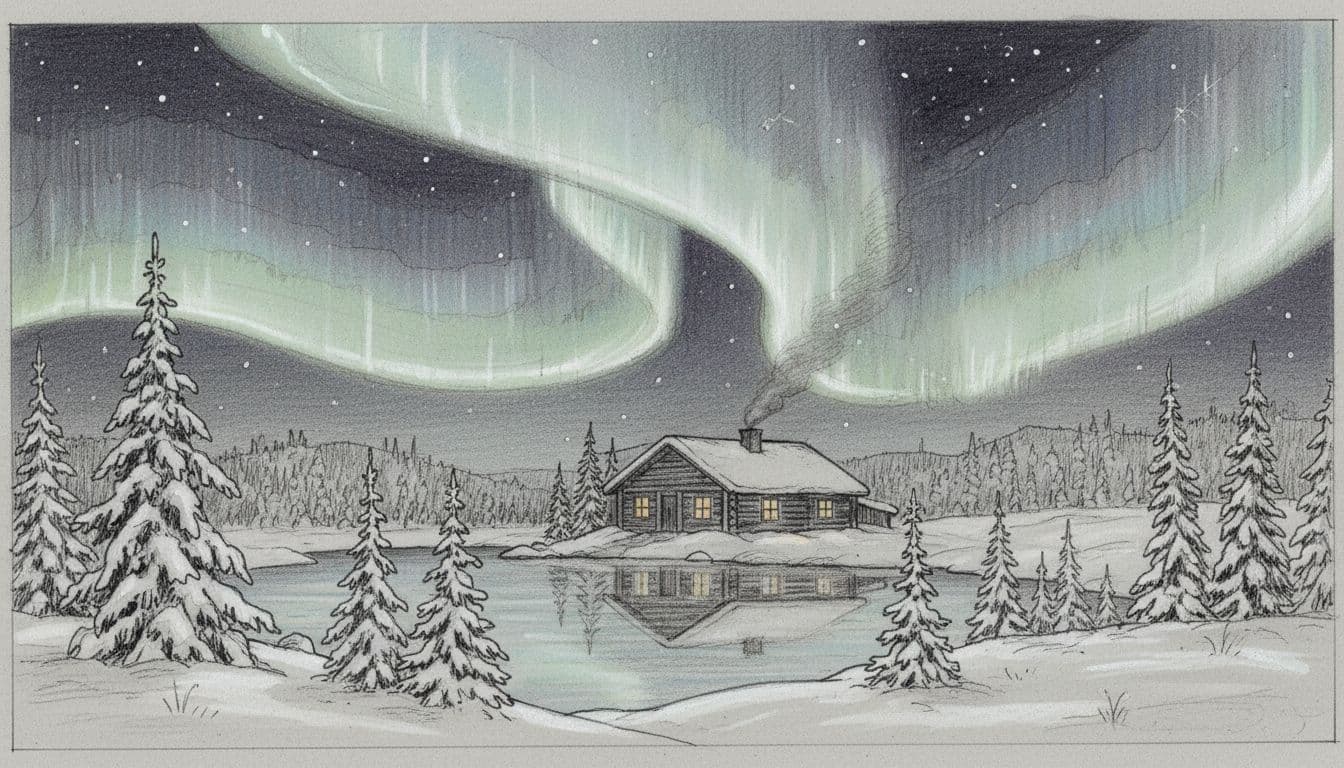
Go in December for the full holiday mood, or in early January for quieter trails and potentially better availability. For more context on what makes certain markets and winter spots stand out, I liked this BBC Travel look at award-winning Christmas markets.
10) Barcelona, Spain (a warmer Christmas break with local traditions)
Sometimes I want Christmas without frozen fingers. Barcelona is my pick for that. You still get lights, seasonal sweets, and busy shopping streets, but the weather is usually milder than Central Europe.
It’s a great destination for late December when some markets elsewhere wind down. Plan your sightseeing around holiday closures, and lean into food experiences, long lunches, and festive neighborhoods at night.
Timing, closures, and a quick cold-weather checklist (late Nov to early Jan)
For late November trips, I focus on lights, markets, and fewer crowds. By mid-December, weekends can feel shoulder-to-shoulder in major cities. For Christmas week, I plan around closures and treat the trip more like a slow, scenic getaway.
In many European cities, Christmas markets close early on Dec 24, shut on Dec 25, and may have reduced hours on Dec 26. Expect limited openings on Jan 1, too.
Here’s my short safety and packing checklist for cold and wet weather:
- Waterproof outer layer: A rain shell or water-resistant coat saves the day in slush.
- Traction-friendly shoes: Cobblestones plus ice is a bad combo.
- Thin base layers: They’re warmer than bulky sweaters, and easier to re-wear.
- Gloves + a hat: Windchill turns a cute stroll into a sprint.
- Crossbody or zip bag: Crowded markets are prime pickpocket territory.
- Backup power bank: Cold drains phone batteries fast.
Conclusion
Europe in December can feel like a live holiday set, but the best trips come down to picking the right place for your vibe. Some years I want Vienna’s elegance, other years I want Lapland’s quiet sky. If you’re planning for 2026, lock in transport early, build in rest time, and treat closures as a feature, not a flaw. Where would your ideal Christmas day be, under cathedral lights, in mountain snow, or by the sea?